

Professional Identity & Vision
Professional Identity
-
Professional Identity -
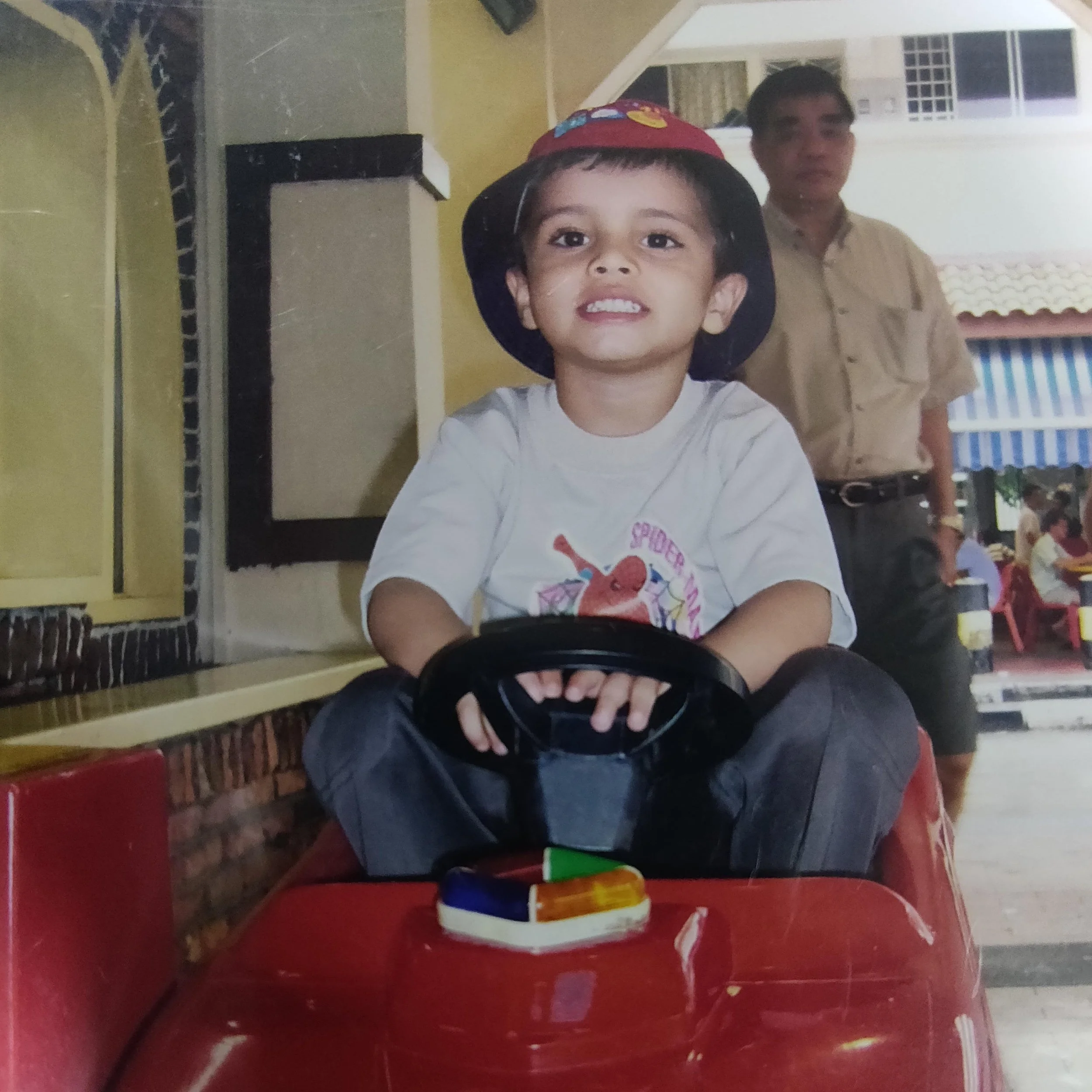
Having lived outside of my home country for close to half my life has shaped my personality to be someone who is observant, quick thinking and systematic in my approach to anything. Spending much of my formative years in Singapore interacting with people from various backgrounds taught me what it means to be a global citizen. Graduating high school with an International Baccalaureate diploma from an international school helped me to shape my worldview using various perspectives. It was throughout my primary and secondary education that my parents helped me identify my creativity and encouraged me to apply that creativity through the outlets of art and music. My passion for cars has been a constant right from my younger years. My early exposure to car magazines and TV programs like BBC’s TopGear drew me more towards engineering and the technical aspects of the automotive world. The blend of creative and technical thinking is what drew me to industrial design initially and over the years it has lived up to my expectations and then some.
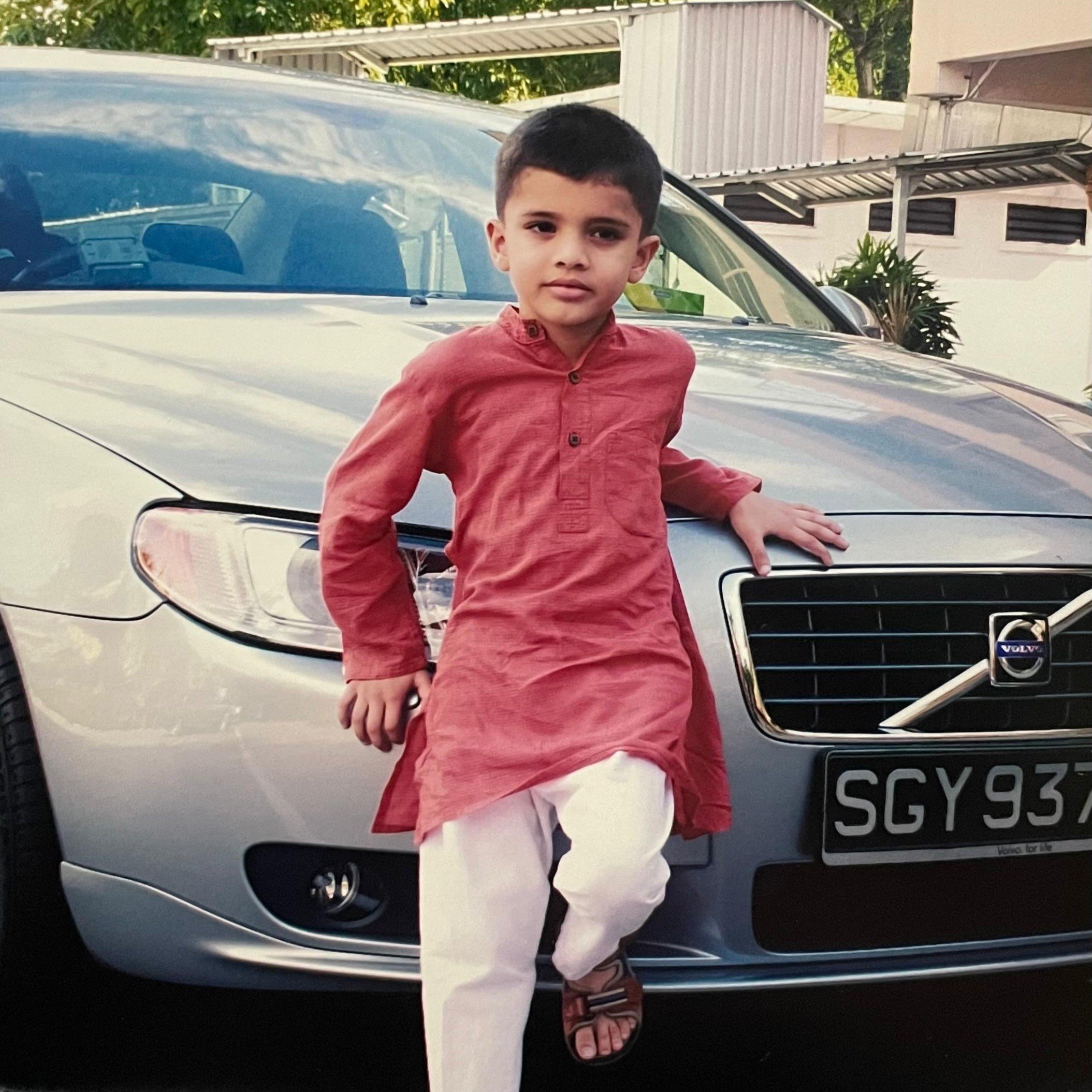
I find myself drawing inspiration from a range of areas. From my passion for motorsport, to car design and from all over the design world. During my high school years, I read Don Norman’s book, ‘The Design of Everyday Things’, and found myself fascinated by design that surrounds us every day in our lives but goes undetected most of the time. Perceptible and hidden affordances became something that captured my imagination and I found myself looking at the world trying to find them everywhere. Visually, I find myself most captivated by the designs of some of the great car designers, particularly the modern designs of Walter de Silva, whose designs struck a fine balance between standing out amongst a crowd and blending in with the state of the art.
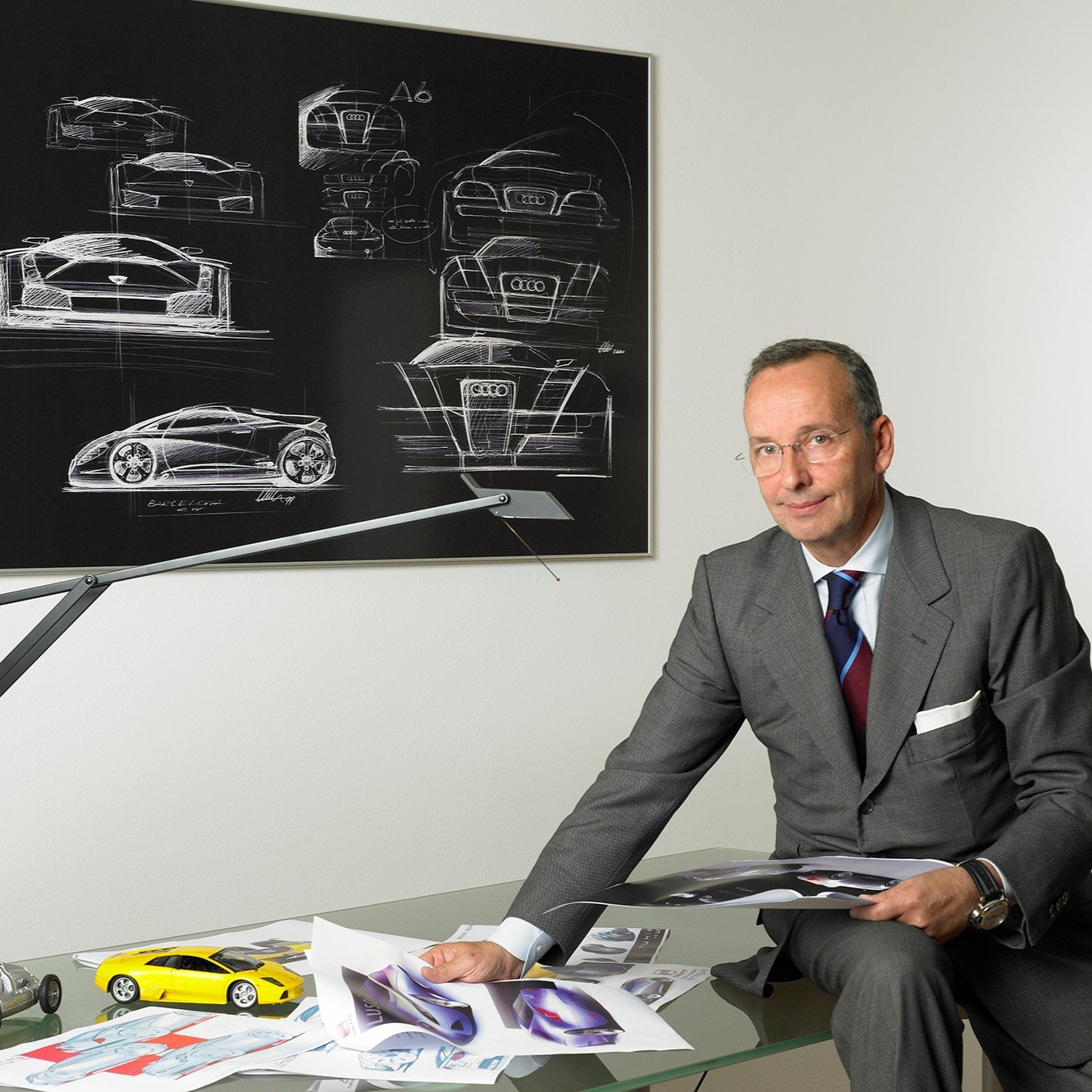
Walter de Silva - Former Head of Design VW Group
Homepage. ACI No1. (2022, August 2). https://acino1-magazine.com/walter-de-silva-renaissance-man/
Communication is the most vital tool in the arsenal of a designer, whether it be written, spoken, visual or physical. I consider myself well-versed in each of these and aim to employ the right skill at the right time, adapting to the context and situation around me. Conveying key ideas to a team of fellow designers versus conveying the same ideas to a client are very different tasks and I find it crucial to be able to effectively put points across to whomever is sitting on the other side of the table from you.
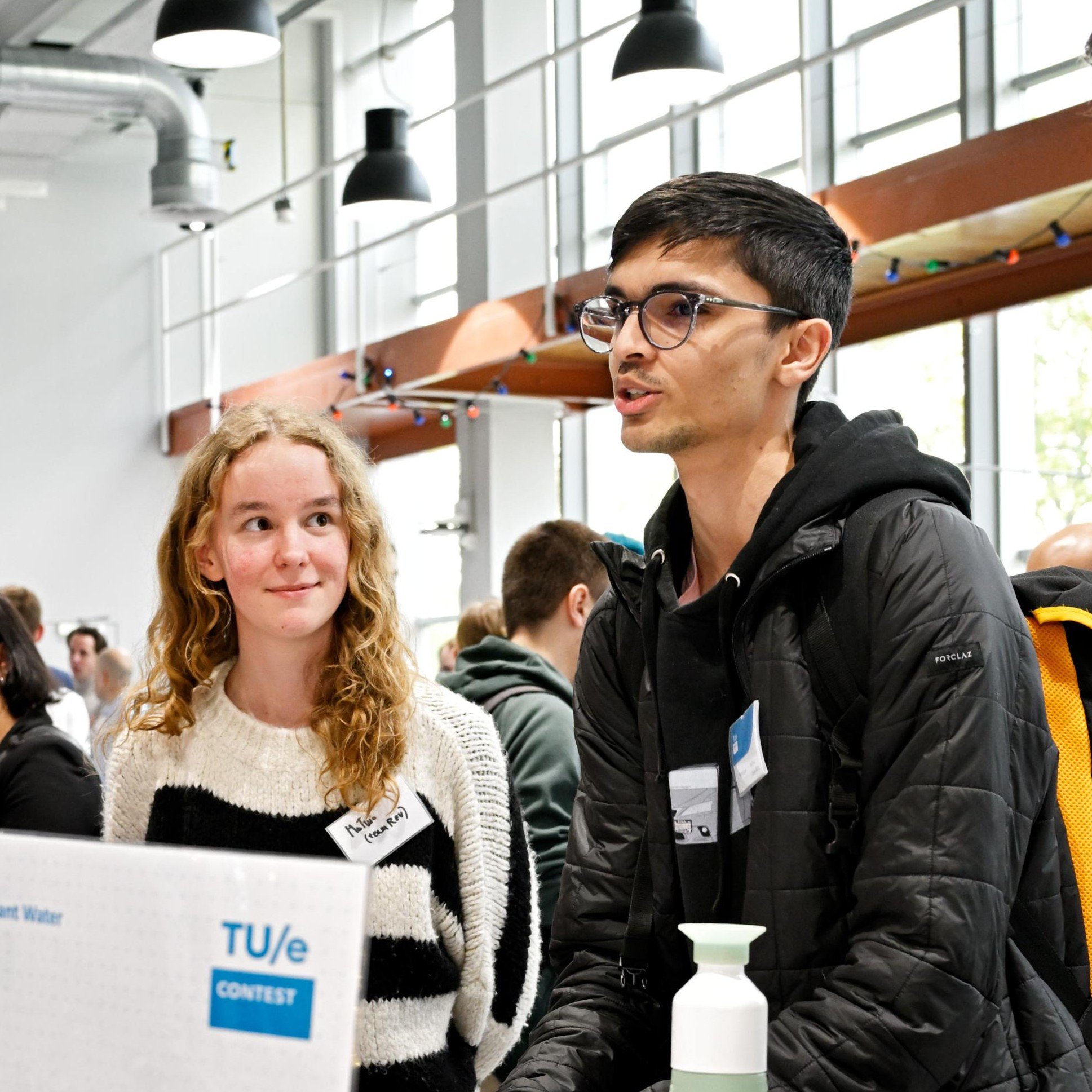
Through the various courses I have completed during my Bachelor’s at TU/e, I have been able to develop an array of skills that have already proven to be highly useful in design contexts. Globally regarded design frameworks such as the Interaction Frogger Framework (Wensveen et. al., 2004) and the Reflective-Transformative Design Process (Hummels & Frens, 2009) originated from the Industrial Design department of TU/e. Learning about these methods and processes from the researchers that developed them has been a highlight of my education at Eindhoven. Participating in the course Design Innovation Methods both as a student and then as a teaching assistant the following year has given me thorough familiarity with its fascinating material on business innovation analysis. Alongside this, I have also been able to develop a broad range of research skills relevant to design.
The primary value that I find guides me through work, and life in general, is honesty. Such as between a design professional and their client, between a designer and his team, and between a student and teacher. Staying true to myself and being honest about what I can and cannot do is something that I implement in my work. I also believe that it is important to be willing to grow and constantly be ready to learn something new, particularly in the rapidly changing world that we find ourselves in today where innovation lies around every corner.
V I S I O N
-
V I S I O N -
The role of a designer, to me, has always been about creating solutions to the world’s problems in ways that have not been thought of or done before. The state of the world today dictates that society urgently needs to find new and unique solutions to tackle the pressing challenges of sustainability. The permeation of use-and-throw culture into global society over the last few decades has meant that the finite space that we have on Earth is rapidly filling with tens of millions of tons of waste. While these challenges present a daunting task for the designers of the future, they also provide opportunities as the world needs ideas that reshape the way we live, move, and interact with our environment.
I am fascinated by the idea of using existing materials in new ways that push the boundaries of what is considered possible. I believe that it is equally important that the increased focus on sustainability does not compromise, but rather enhances the functionality and aesthetics of the design. The abundance of plastic waste on the Earth today is an unmissable emblem of our excess. However, it need not be seen solely as society’s failure but rather as a resource, a starting point for something new.
I find this is something that aligns well with my fascination for cars and the automotive world. Cars represent the pinnacle of technology, design and aspiration, yet today they are stuck struggling with the sustainability crisis. While some see electric vehicles as the sole future, I envision a future where we are able to continue to use the vehicles we have today, in a way that does not burden our environment. Perhaps the abundance of plastic waste could play a role in enabling this future to come to reality.
Alongside the sustainability challenge, the rise of artificial intelligence is another factor that we as designers must remain aware of in our work. Design must maintain its connection to humanity given how tightly intertwined our work is with human factors. While AI has its place in the toolbox of a designer, we must not allow ourselves to become over reliant on these tools and lose our sense of agency.