
Analysing the effects of
White Noise on Sleep Quality
What did we do?
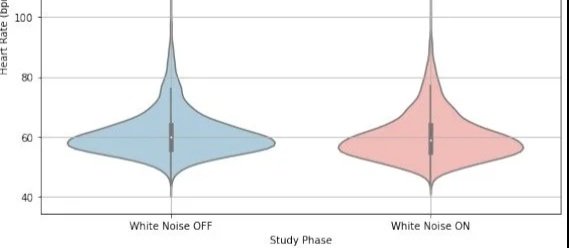
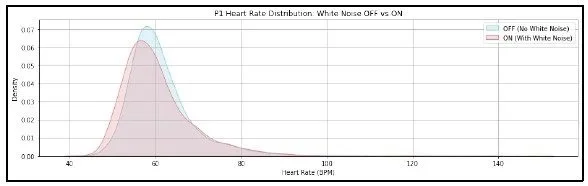
The goal of our study was to examine the impact of white noise and ambient temperature on sleep quality using sensor-based data collection. Over a 3-week period, participants slept in their natural environments with two differing conditions: without white noise and with white noise played at an agreed-upon volume. With our sensors, we measured vital signs such as heart rate and oxygen saturation to construct our findings.
-
04/2025 [10 weeks]
-
Python (Jupyter), Wearable sensors, Temperature sensor, Humidity sensor
-
N.G. Casseres, M.M. Carpio, Z. Rahmeh, S. Sakerwala, R. Yu
-
Math, Data & Computing, Technology & Realisation
Objectives
Investigate the effects of white noise on sleep quality
Utilise wearable sensors in the form of Mi bands to collect data from the participants
Conduct detailed analysis including data visualisations and hypothesis testing on the collected data
Final Research Outcomes