

The Tragic Tale of the Mahindra-Renault Logan
Mahindra and Renault. Two rather different, large names in the automotive industry. When you think of Mahindra, you would associate them with their SUV heritage and of course the well known Jeep Wrangler Lite, aka Mahindra Thar. (Calm down Mahindra loyalists, it’s a joke, I love the Thar.) On the other hand, we have Renault. Makers of some very popular enthusiast cars like the Renault 5 Turbo or the Clio V6. However, those aren’t the cars we’re here to talk about today, as you may have guessed by the cover and title of this article.
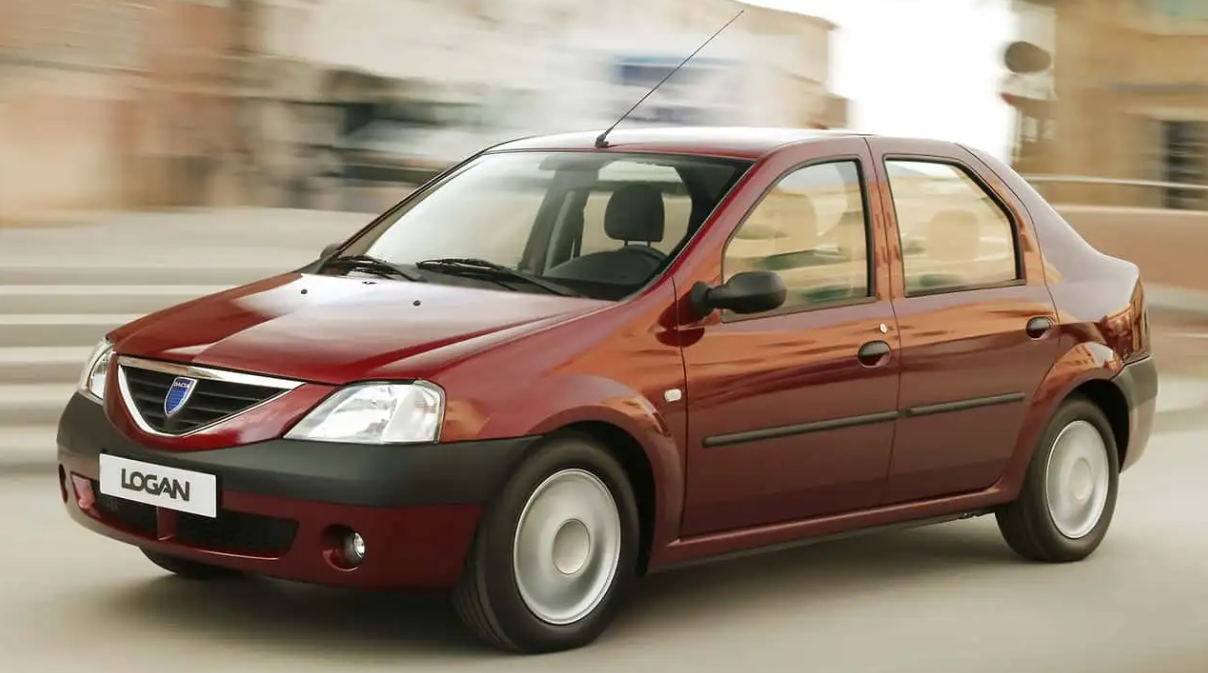
Dacia Logan
(via Motor1)
Renault made its debut in India in 2005 with a joint venture alongside Mahindra & Mahindra (M&M) split 51:49 in favour of M&M. 6 years before this, Renault had just bought out Dacia and had announced that they were designing a city car codenamed Project X90. The X90 was originally launched in 2004 under the Dacia badge carrying the Logan name and in 2007 Mahindra began building and selling it here in India. When it was launched, Mahindra-Renault were targeting sales of 2,500 cars a month but in actuality they only managed to sell under 500 cars a month. The poor results had a drastic impact on the two companies with M&M themselves saying they could not see sales crossing 500 a month. But what was the reason for this catastrophic failure?
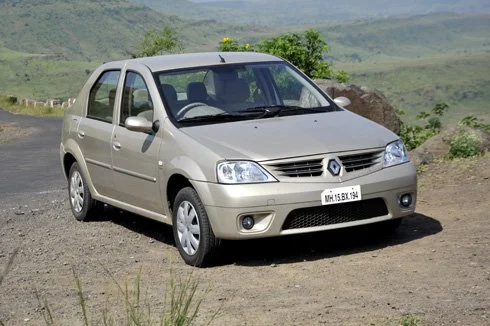
Mahindra-Renault Logan
(via Autocar India)
Well, there were many. Chief among which was the price. The petrol version started at around 4.4 lakh Rupees while the diesel variant was well over 6.5 lakhs. The JV had claimed a “low-cost entry level mid-size car” and it certainly was not low cost in comparison to its rivals such as the Maruti Suzuki Dzire and the Tata Indigo CS. The reason behind this was its dimensions. Granted, the added size of this car gave it a substantial advantage in terms of cabin and luggage space, but it came with a pretty big downside as well. The Logan was 4.24 metres long which meant the excise duty was 8% more than for cars below 4 metres (hence the popularity of the sub 4 metre class of cars in India.)
Another factor that drove the price up was that the engines, which were supplied by Renault, had to be imported from France. Alongside this, the Logan only had around 50% of its parts sourced locally, which was considerably less than that of its competitors. Another reason the Logan didn’t do so well here is that most of them ended up being used as tourist taxis which sort of brought down its appeal to the general public. Plus, it wasn’t exactly an eye catcher to begin with.
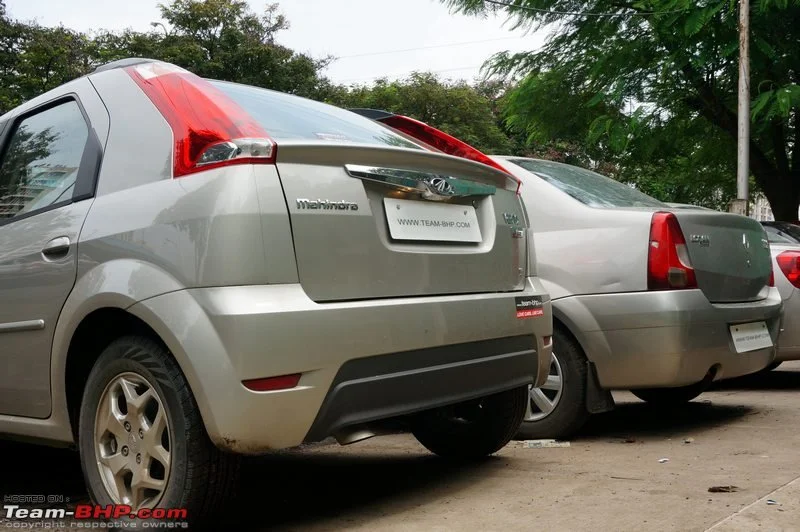
Mahindra Verito & Verito Vibe
(via Parrys on Team-BHP)
In 2010, M&M bought out Renault’s 41% of the JV, this would give Mahindra the rights to build and sell the car as well as a lot more flexibility in the engineering side of things to suit our country’s rather specific needs. The car was still sold under the Mahindra-Renault badge until March of 2011, after which it became the Mahindra Verito. Mahindra continued to build the Verito and a couple of other versions such as the Verito Vibe (hatchback) and the eVerito EV until production ended on the 31st of December 2019. When the JV ended in 2010, this little car had cost the company a loss over 580 crore Rupees. Though we will remember many iconic Mahindras and Renaults over the years, we’ll be remembering Logan for all the wrong reasons.
