

AquaCrops Utrecht
Bringing local consumption of local produce to Utrecht.
-
05-2025 (10 weeks)
-
Stakeholder analysis, Process mapping
-
K. Janssen, N. Singhal
-
Business & Entrepreneurship, Technology & Realisation, Users & Society
Context & Challenge
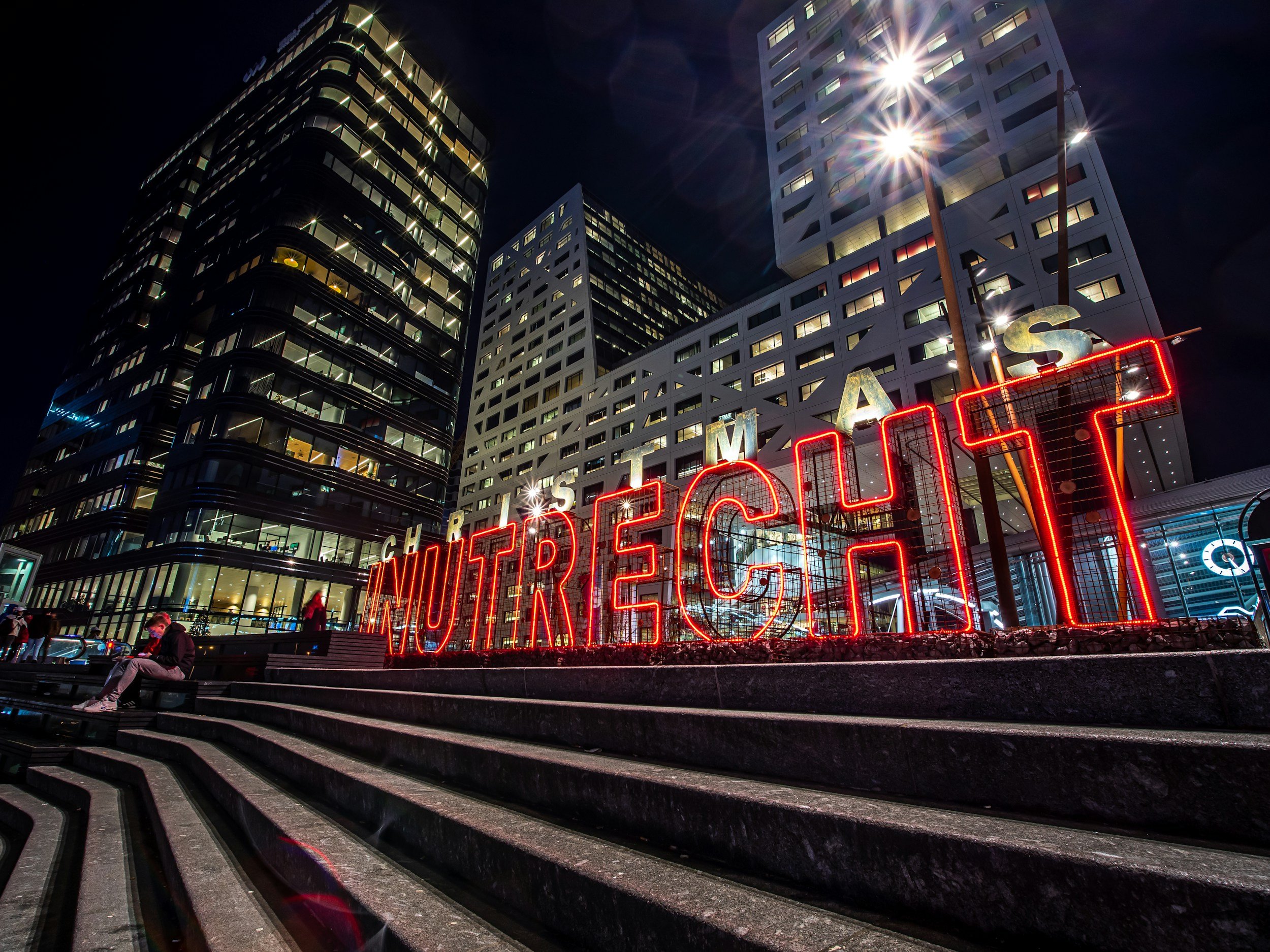
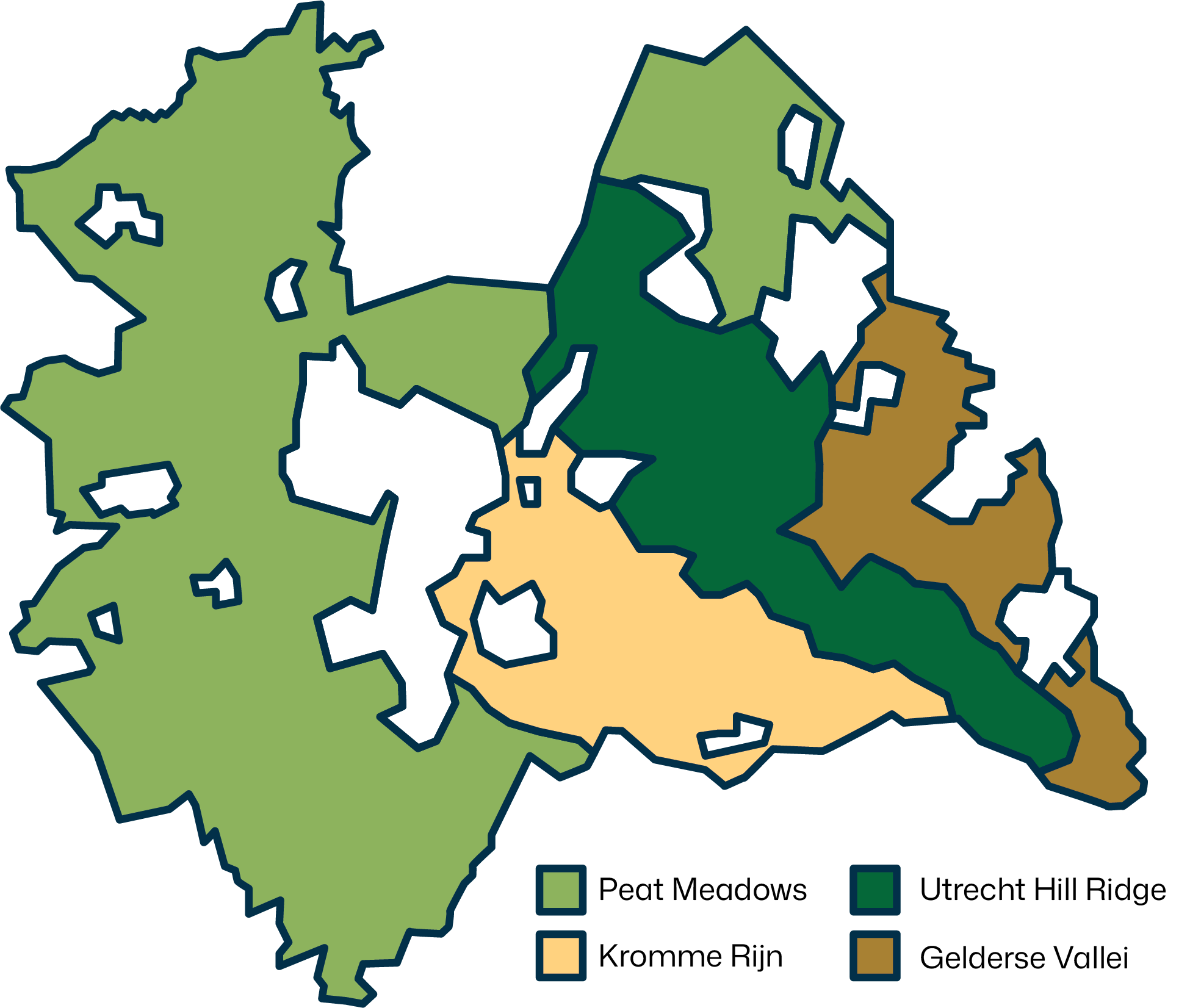
The city of Utrecht in the Netherlands is growing rapidly, and is a city where vegetarianism is on the rise. The soil in the region, however, is better suited to dairy and meat production. This is one of the reasons why there is only about 5% of local consumption of local produce - something that the municipality of Utrecht has the goal of increasing. This project aims to design an intervention to reduce the distance and environmental impact from origin to table.
Promote local consumption of local produce in Utrecht
Be able to grow and sell produce in the city of Utrecht
Integrate the solution seamlessly into society
Objectives
Research Insights
-
Research Insights -
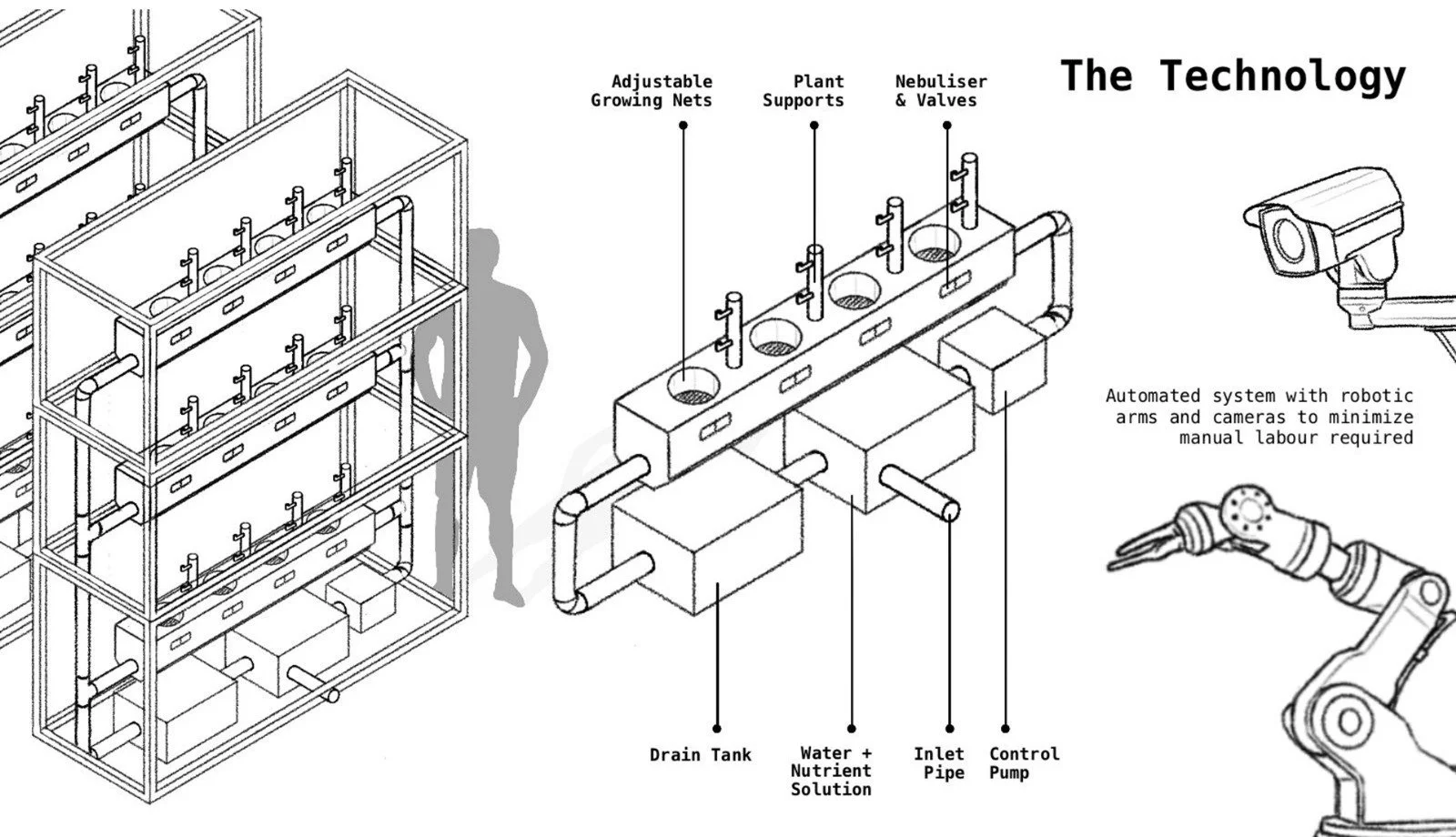
Hydroponics is a technique that involves growing plants in a soil-free substrate, typically water combined with aggregate media such as rocks, clay, perlite or even without media. Hydroponics is advantageous from a technical perspective as it allows complete control and optimisation of plant growing conditions, from chemistry to lighting and beyond.
Hydroponics

Combining social activities such as workshops and a café, with innovative technology for automation and smart farming solutions, maximises the impact of such an establishment on society and the challenges we face.
Social Activities
Final Design Outcomes

Expertise Areas
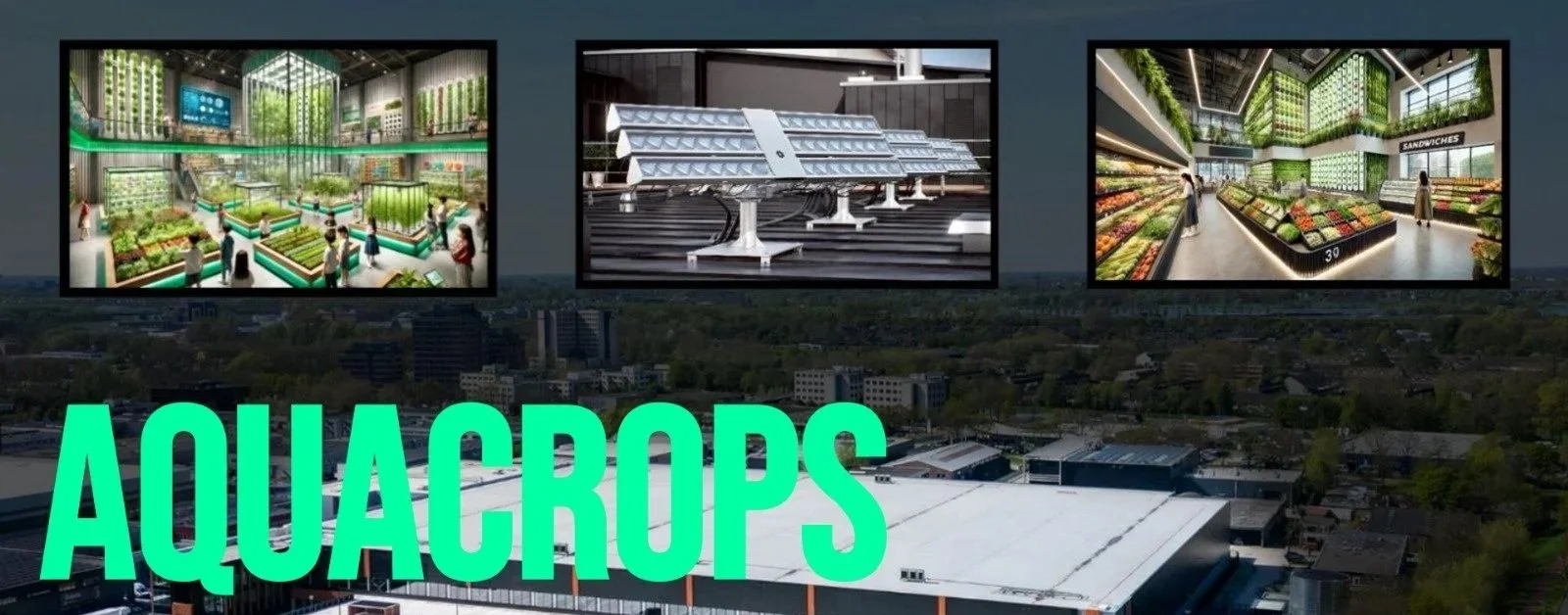
Alongside the business case, the AquaCrops project also focused deeply on the technical aspects of the proposed intervention in Utrecht. Appropriate urban agriculture solutions (hydroponics, vertical farming, sunlight collectors) were selected to suit the unique context and challenge of improving local consumption of local produce in the city.
The AquaCrops project produced a detailed product-service network creating value for numerous stakeholders. The business case was validated through comparisons to existing businesses in similar contexts.
Business & Entrepreneurship
Technology & Realisation
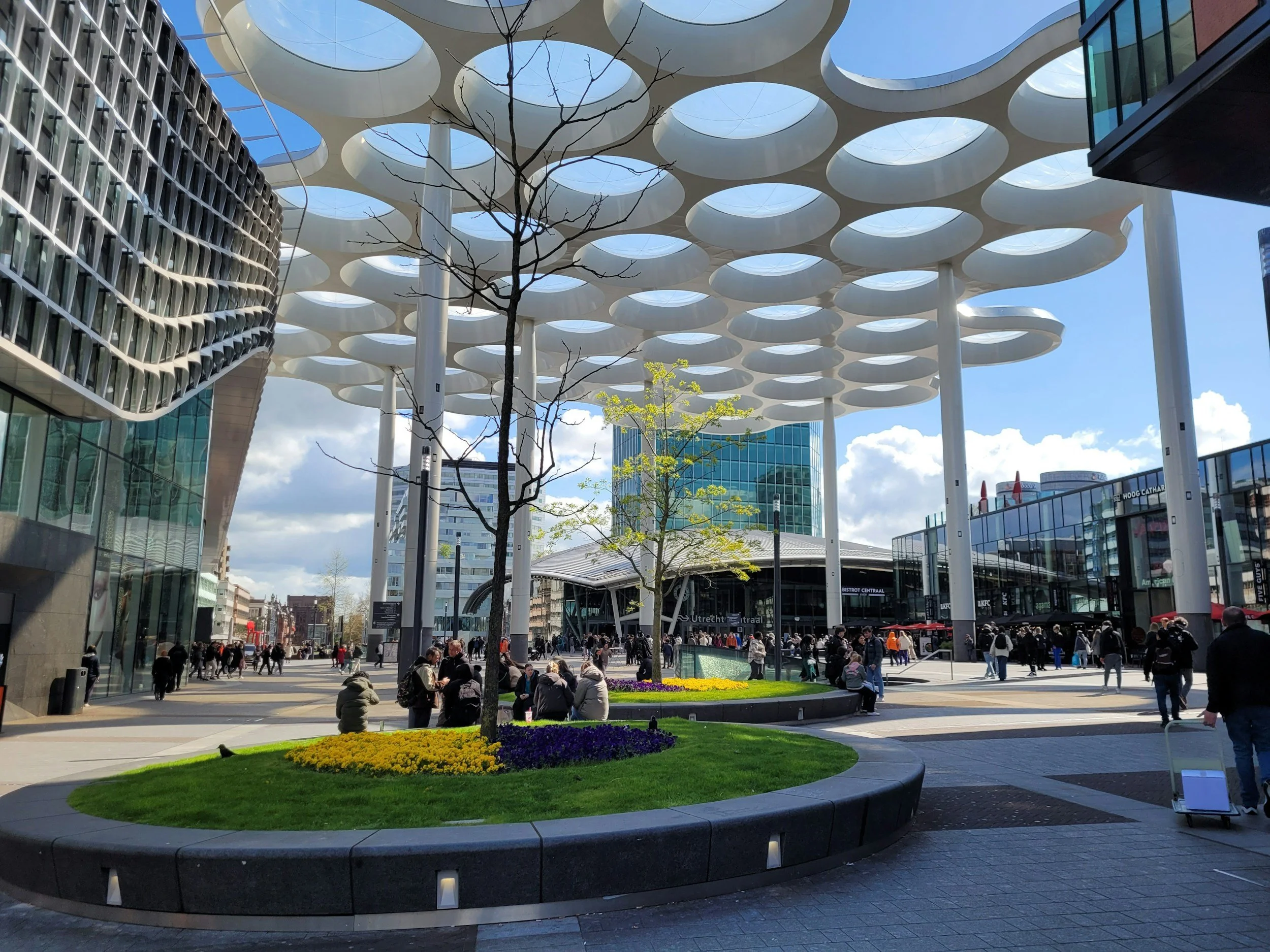
The proposed solution is deeply integrated into the societal context of Utrecht and outlines how various members of society can interact with AquaCrops. This project makes use of an existing societal trend in the region (increasing vegetarianism) and uses that to shape the future by promoting local consumption of produce.