


An architectural analysis of Le Corbusier’s
Villa Shodhan
What did we do?
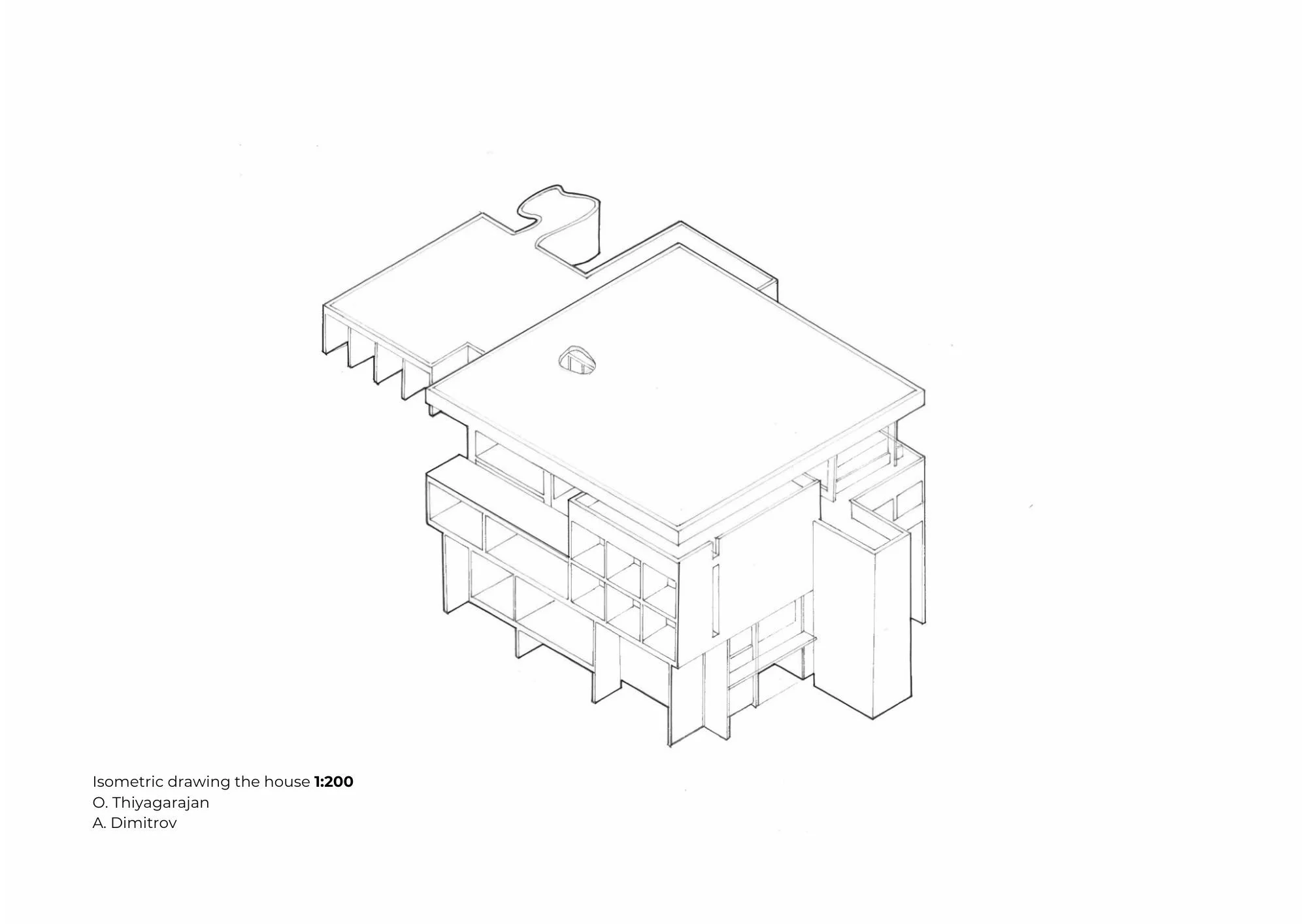
This project focused on analysing Le Corbusier’s Villa Shodhan in Ahmedabad using a combination of methods including physical models and various technical hand drawings. Villa Shodhan was designed by the Swiss-French architect Le Corbusier in India between the years 1951 and 56.
-
11/2023 [10 weeks]
-
Scale modelling, technical drawings, and more…
-
O. Thiyagarajan
-
Creativity & Aesthetics, Technology & Realisation, Users & Society
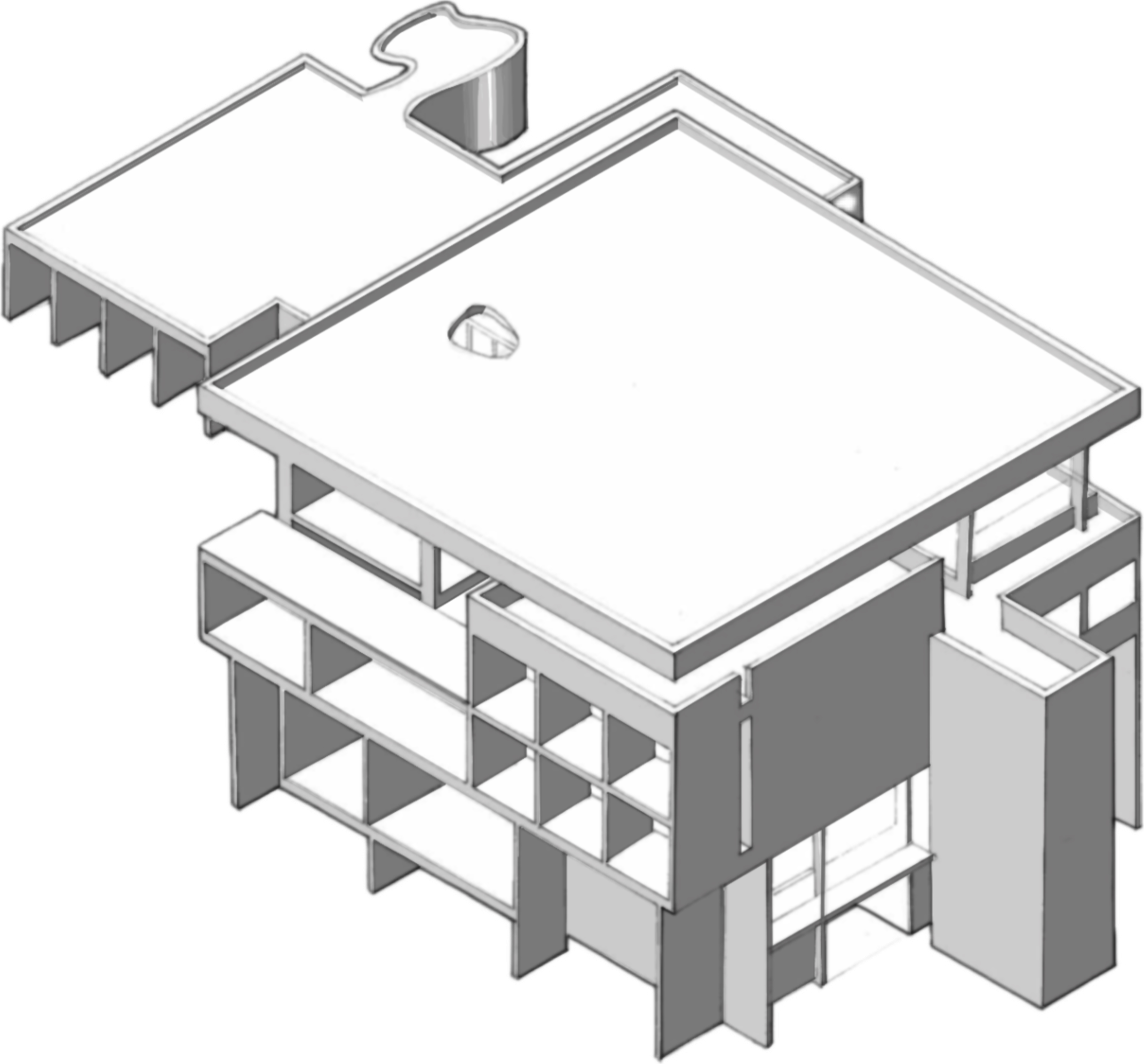
One of Le Corbusier's major contributions to architecture are his ‘Five Points of Architecture’ which were first published in the L’Esprit Nouveau magazine in the 1920s.
The five points are as follows: Pilotis, Free Plan, Free Façade, Ribbon Windows and Roof Terraces. Our analysis explores how Le Corbusier has implemented these five points with the striking design of Villa Shodhan.
Scale Models
1:500 Site Context
1:200 Space-Defining Elements
1:200 Endclosed Spaces
1:50 Brise Soleil Detail
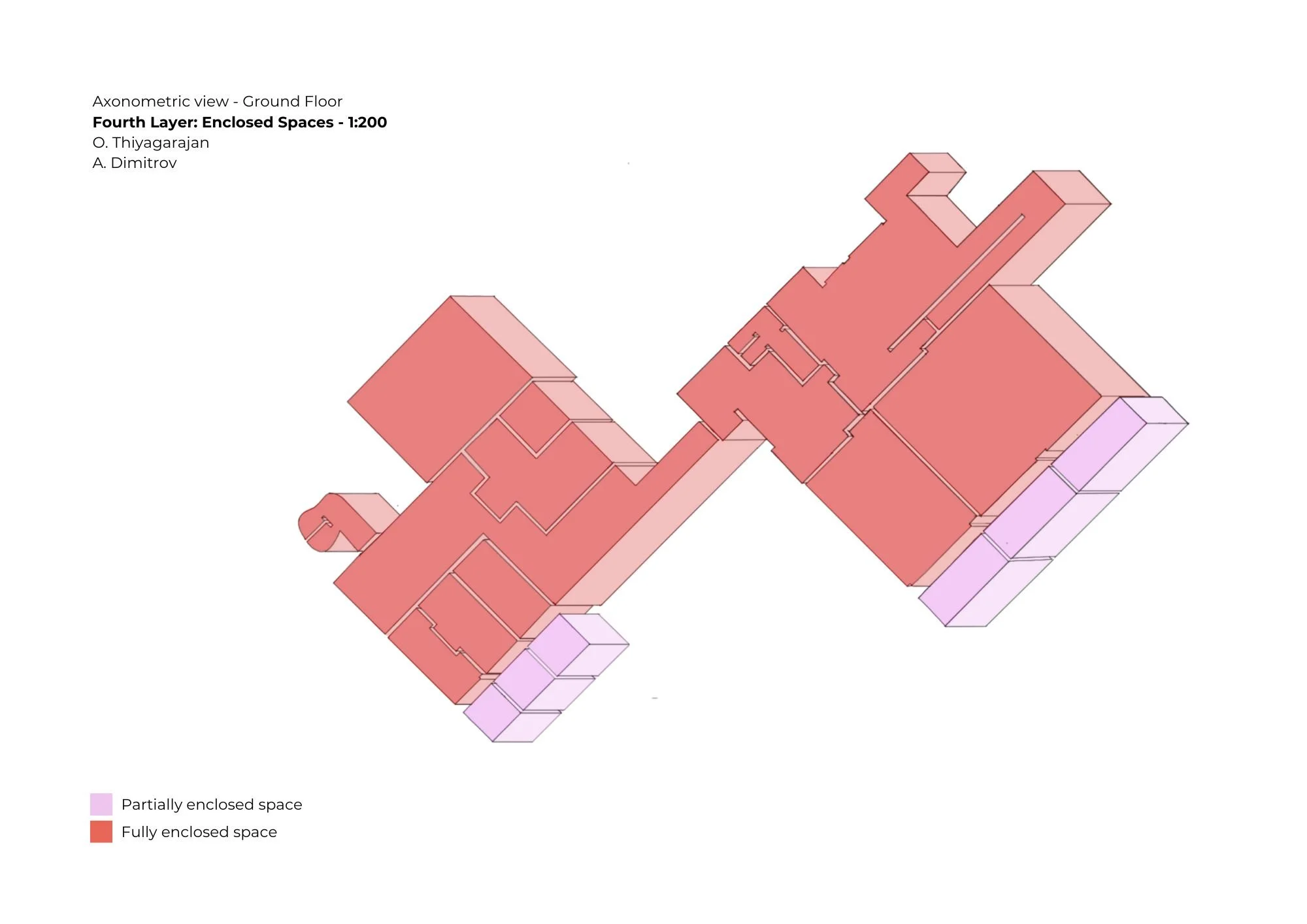
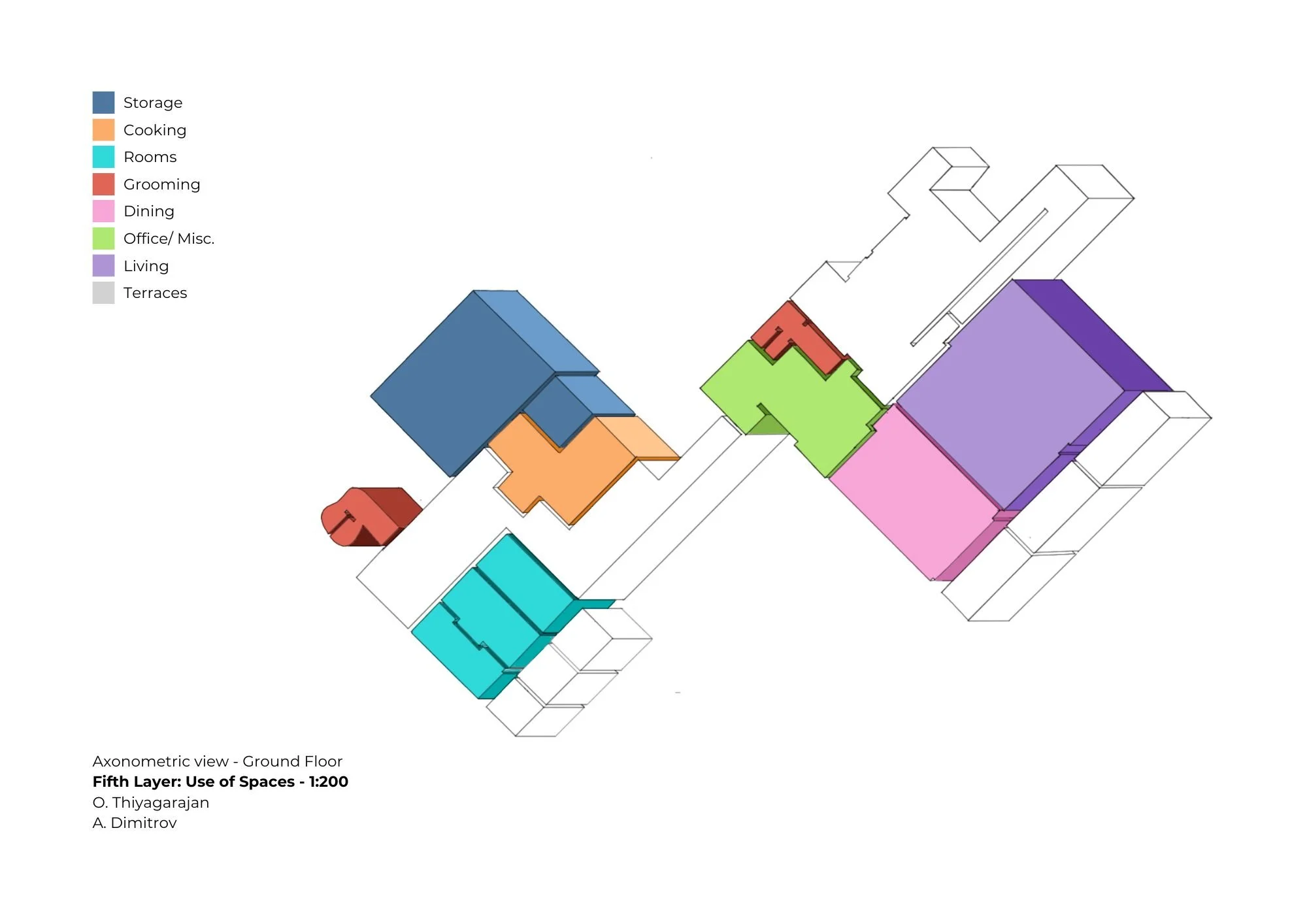
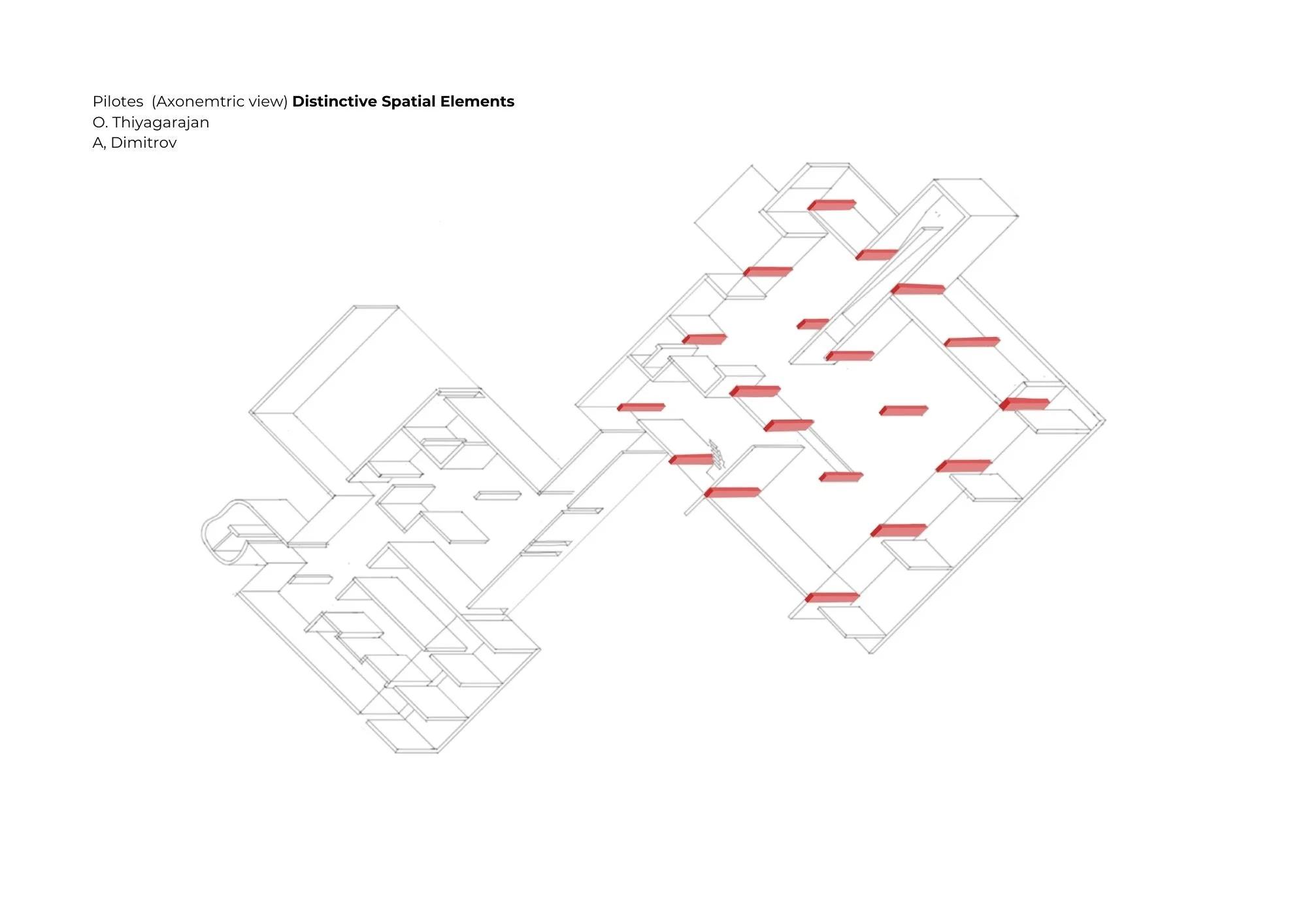
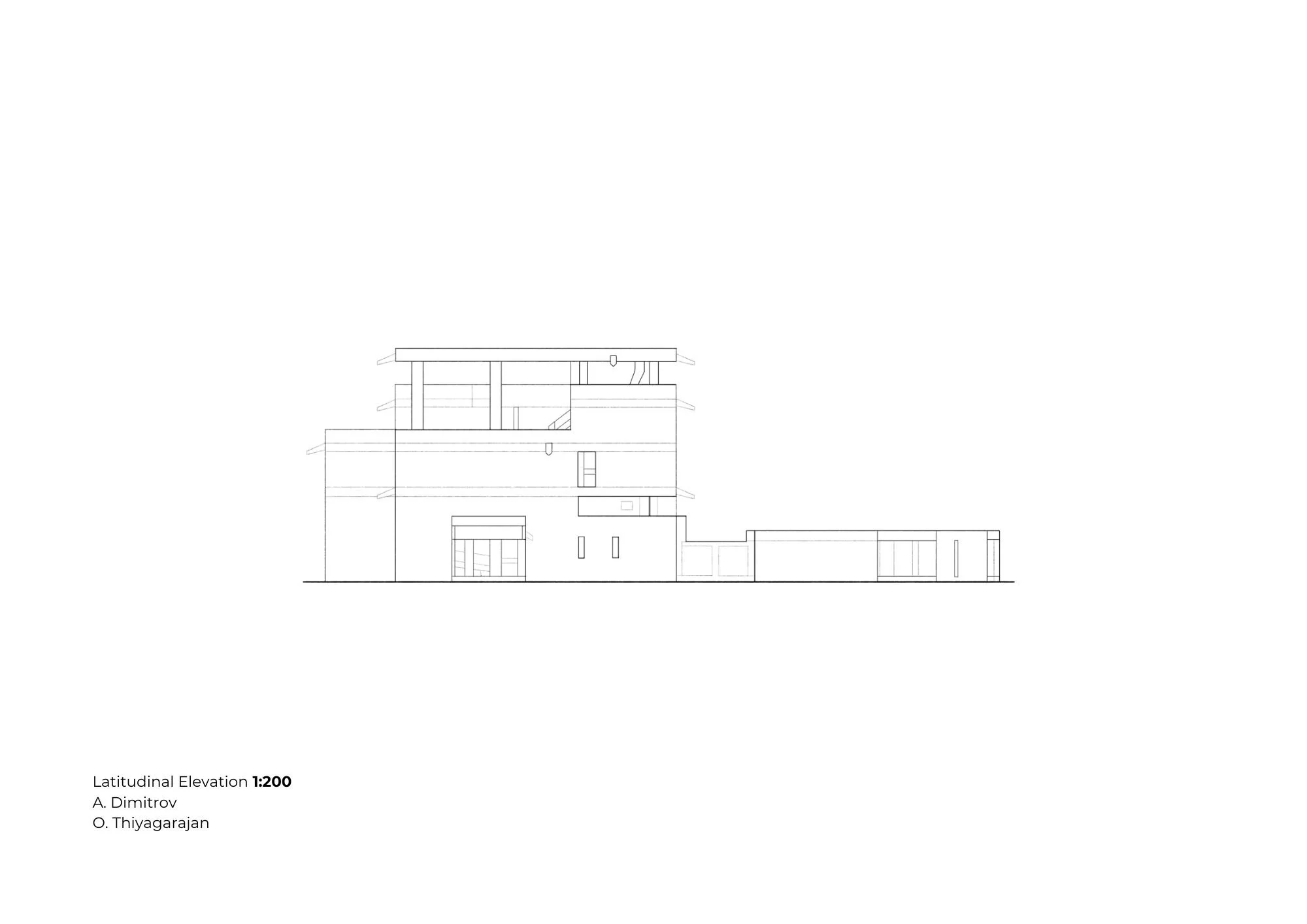
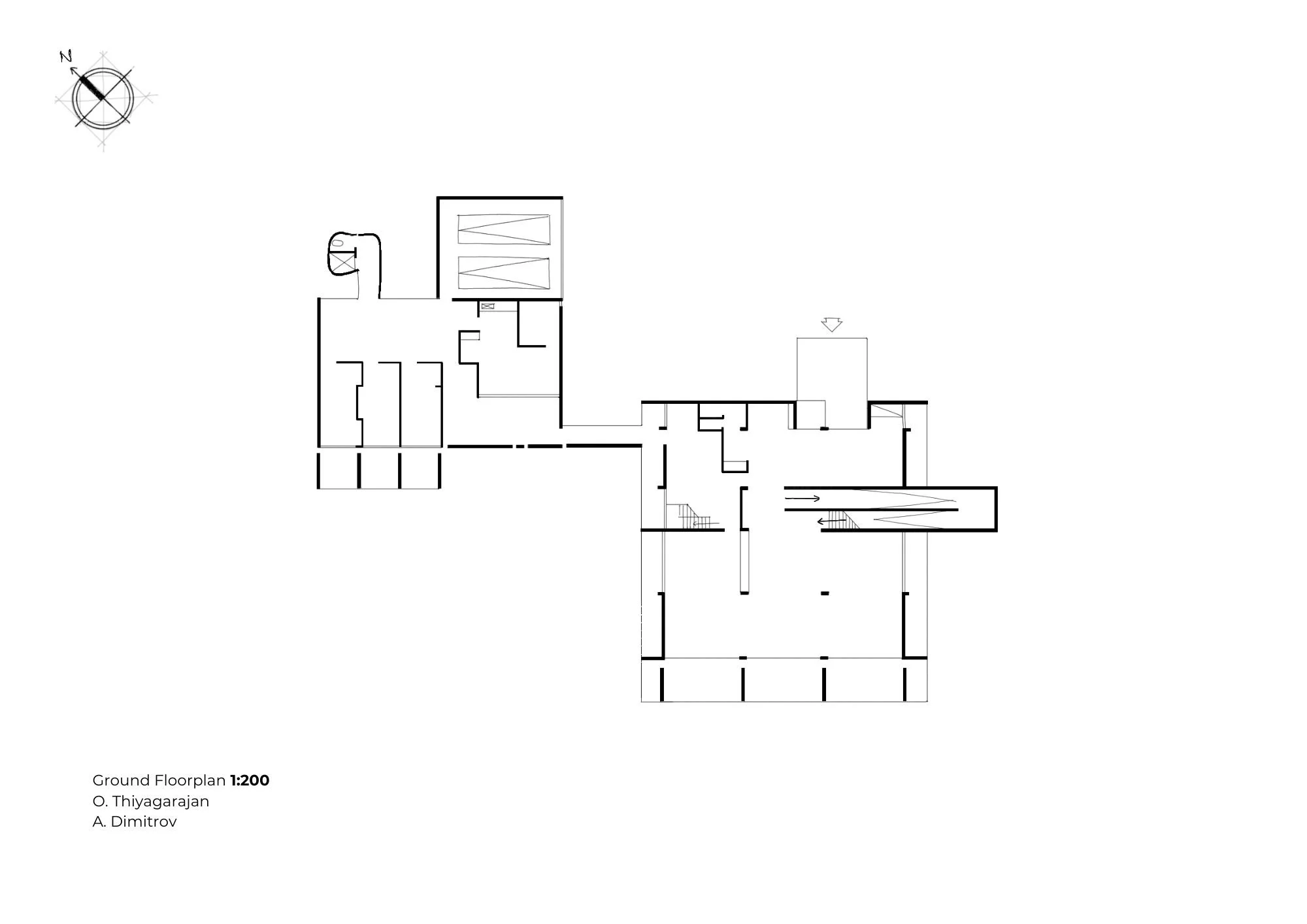
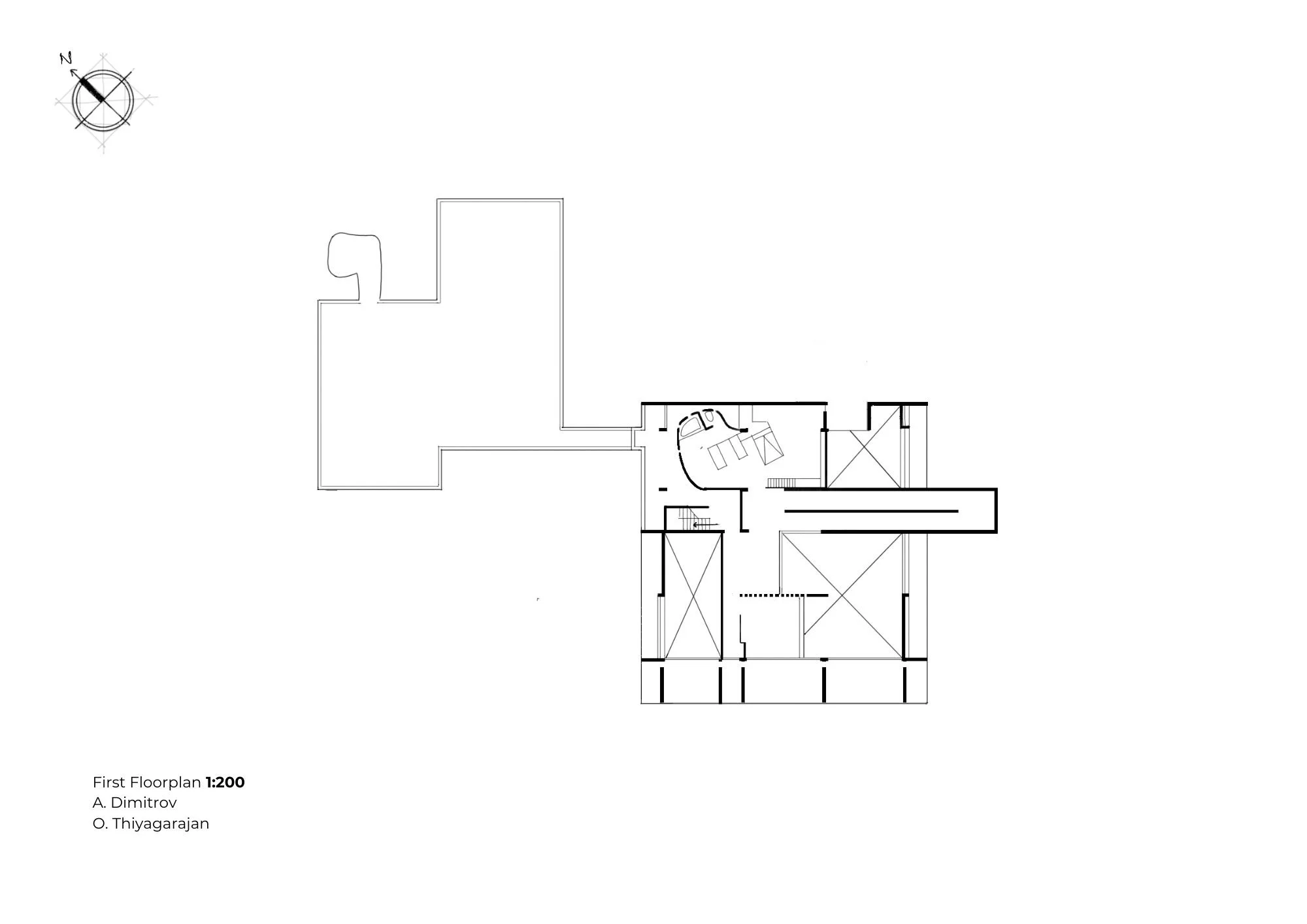
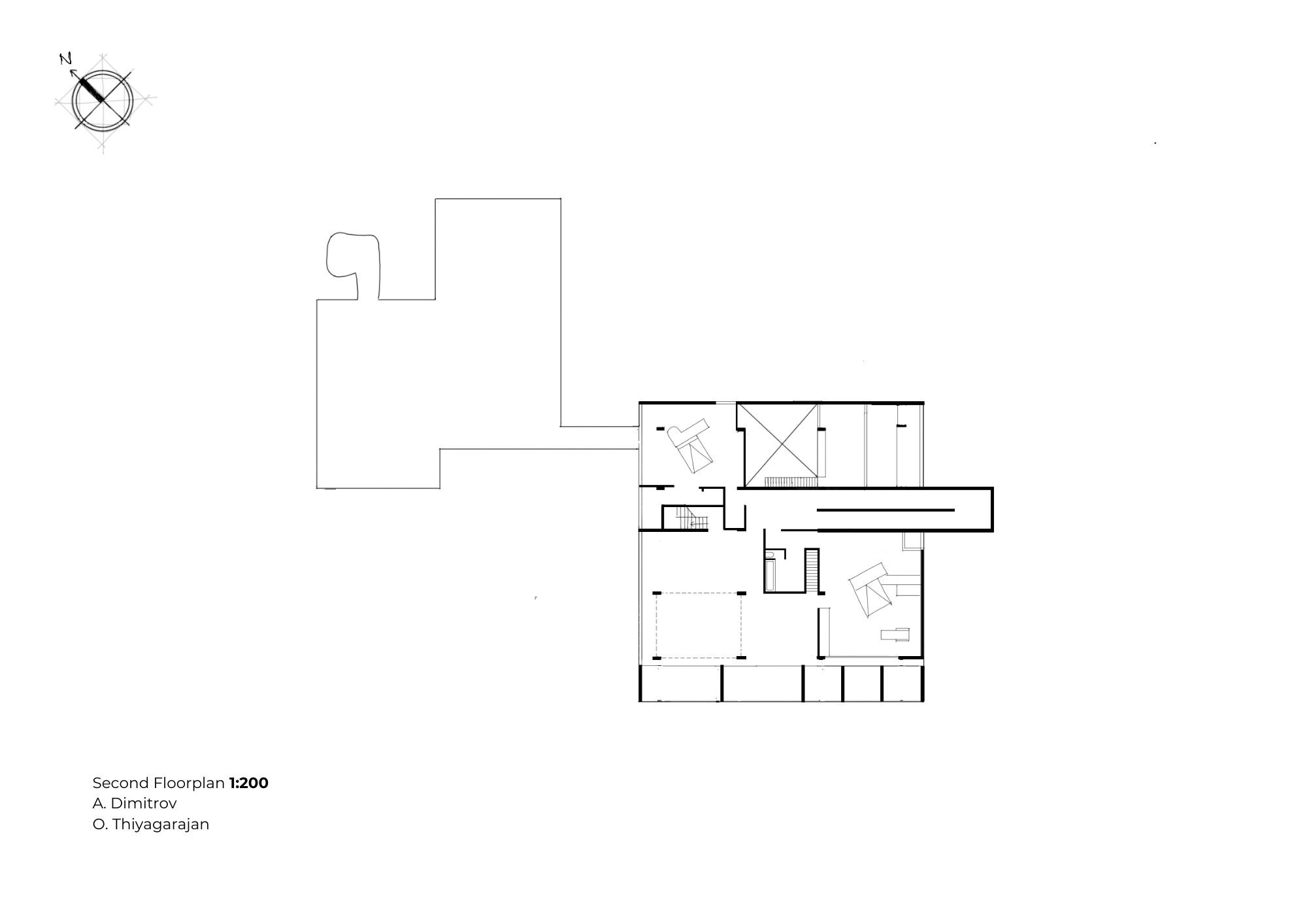
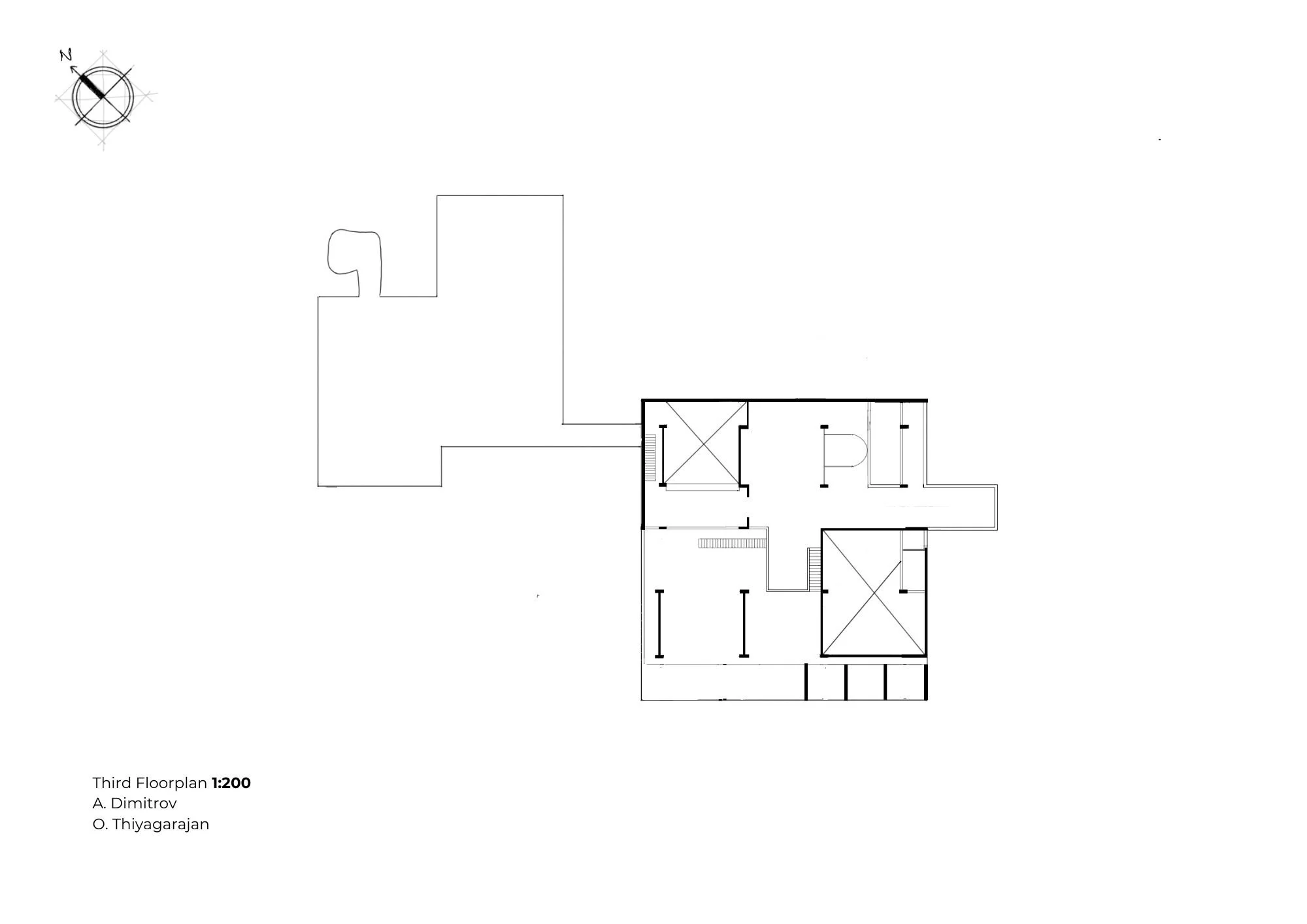
To conclude…
The process of analysis the Villa Shodhan was indeed complex, especially since the house is not digitally documented, and we unfortunately did not have access to the villa.
An interesting concept that we recognised in this project was 'Modulor', a system of proportions that Le Corbusier himself developed. The connection between the Modulor system and Villa Shodhan is evident in the way space is organized and proportioned. He used it as a metric format to his projects to create coherance. This can be seen within the heights of ceilings, seating area and more.
Lastly, one of the most noticeable features of the Villa Shodhan is undoubtedly its geometrical grid Brise Soleil on the south west (and north west) facades. The feature is a permanent sun-shading feature that allows low level sun in the mornings and evenings but deflects the hot midday sun.
Expertise Areas
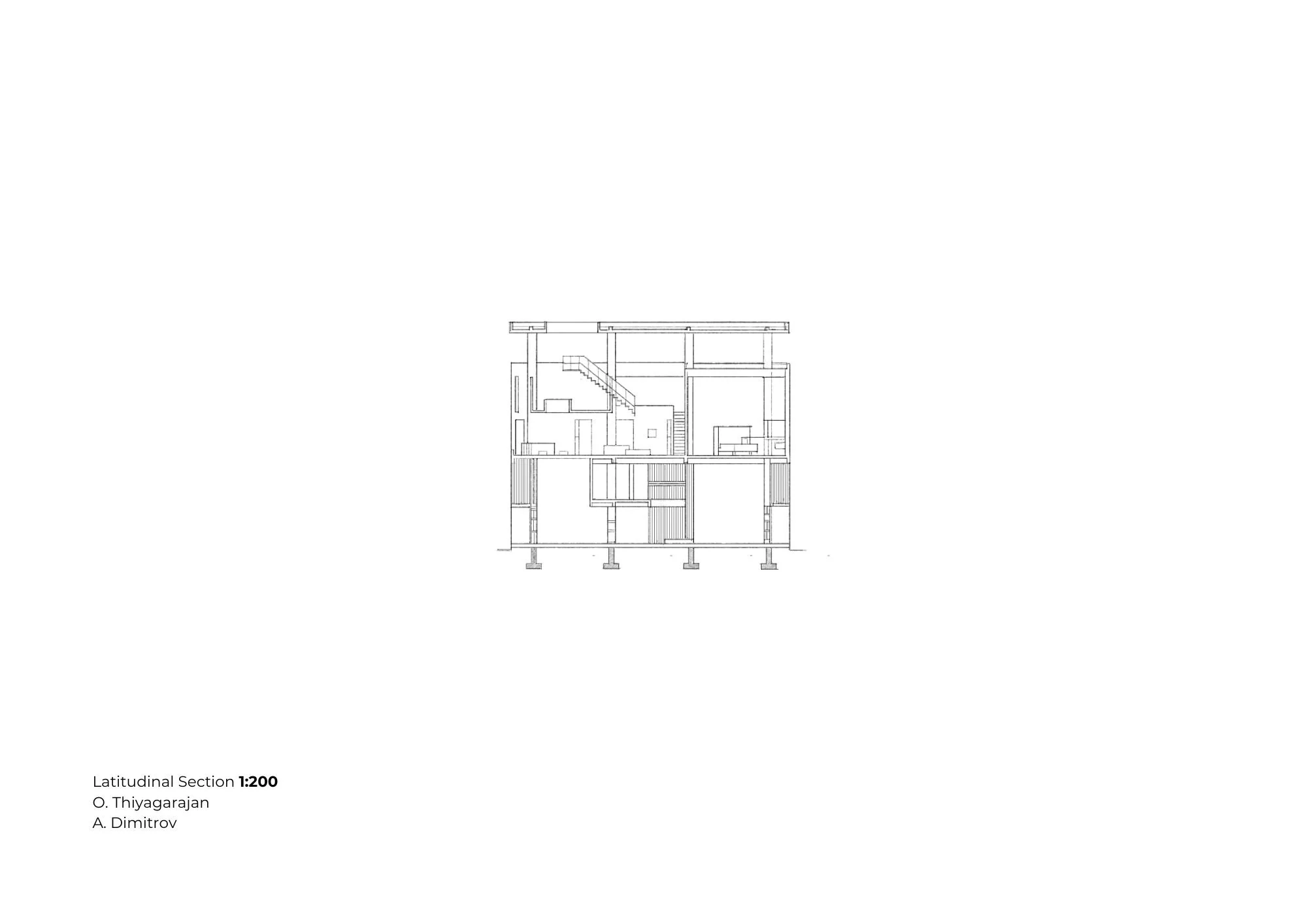
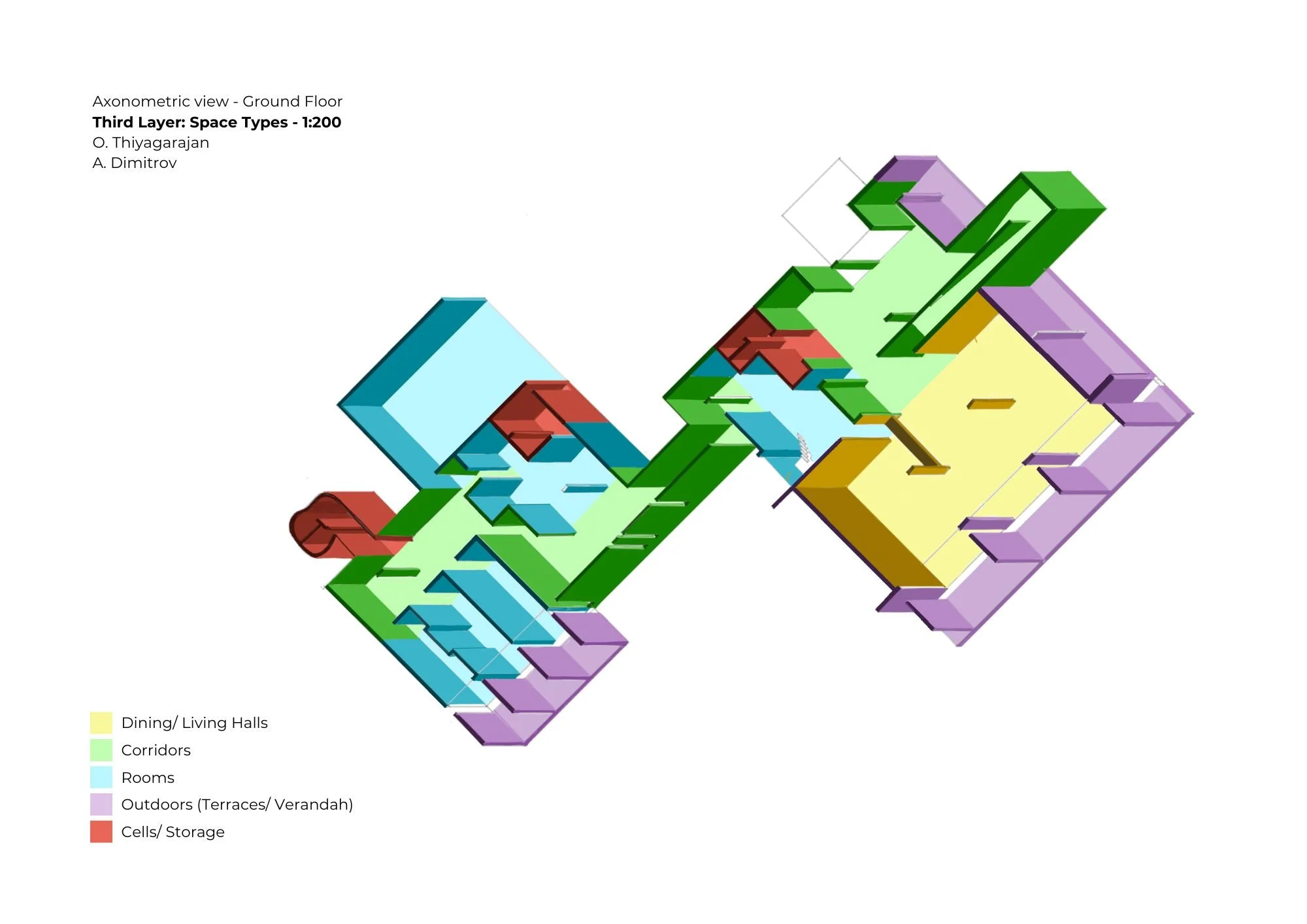
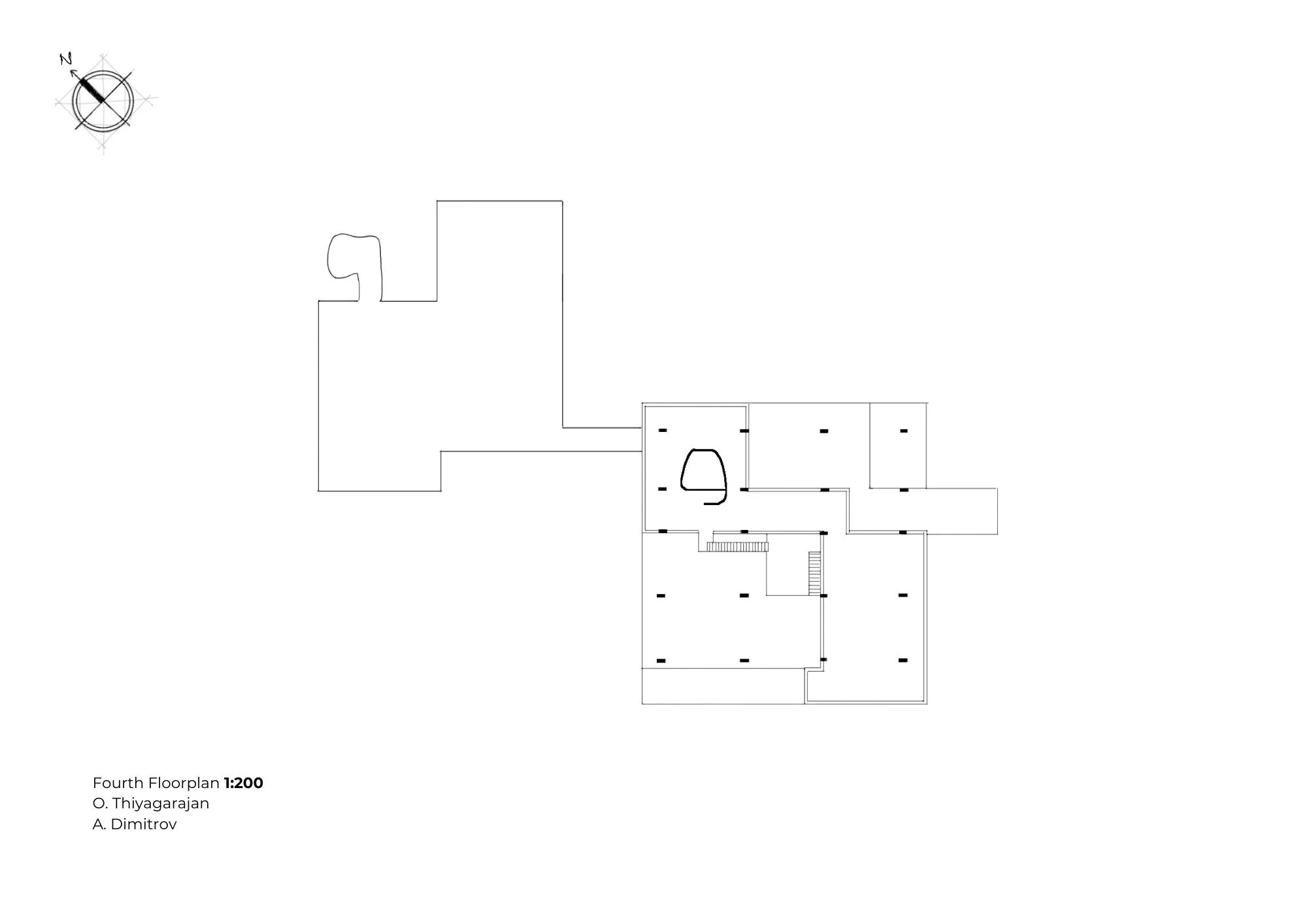
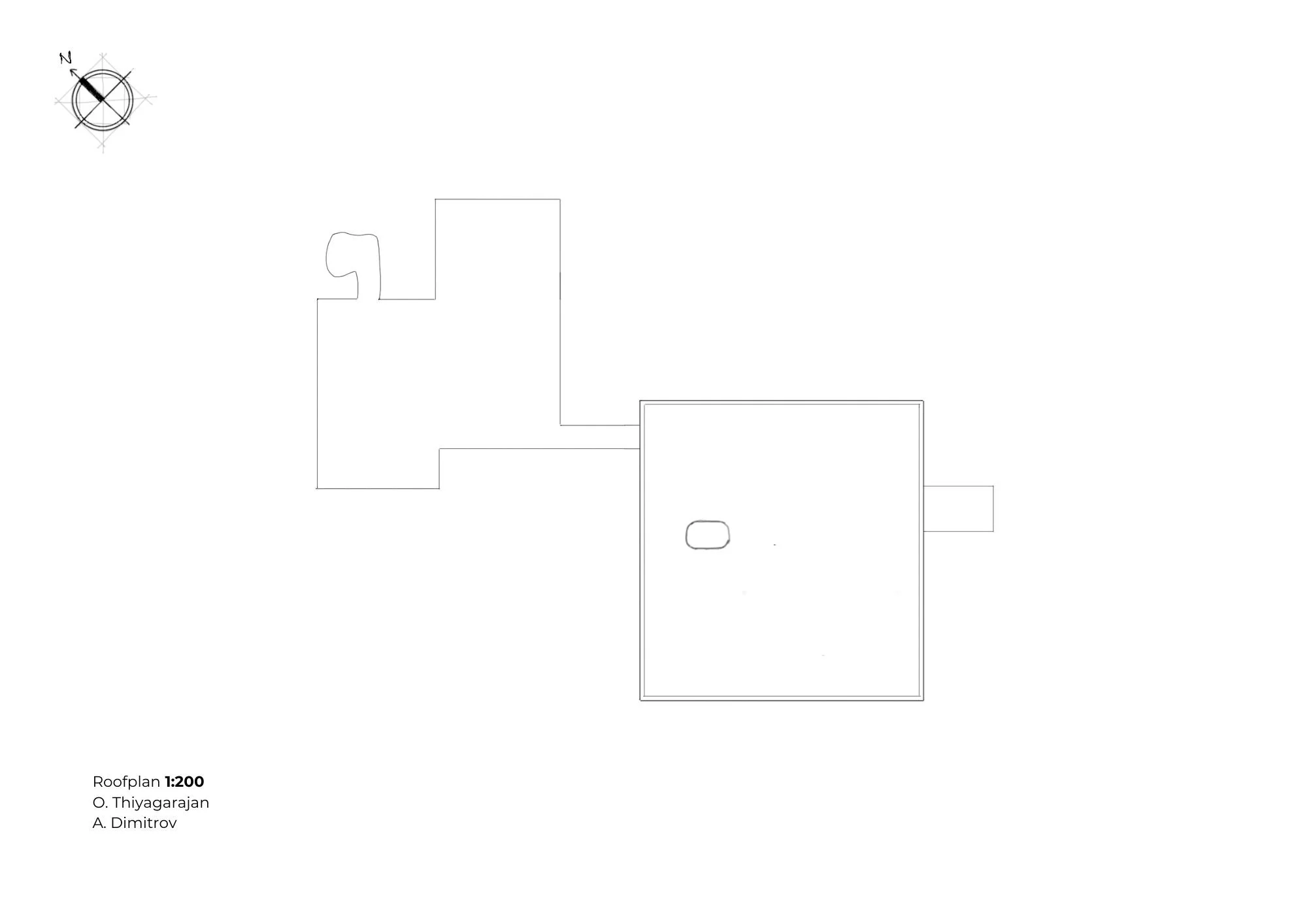
Our analysis involved the creation of numerous floor plans, section drawings, elevations and physical models as well. This process required us to refine and iterate continuously as there was not much existing documentation available to us of the house. We also discussed the use of physical materiality in the design as a major identifier of Le Corbusier’s work.
Creativity & Aesthetics
As an Industrial Designer, this project was well outside my comfort zone, in the realm of architecture. This meant that I had to quickly adapt to understanding and using the relevant architecture terminology. Additionally, reading floor plans and understanding how to draw conclusions from them was something I also learned.
Technology & Realisation
A major part of our analysis of the villa was its position in architectural history. We focused on identifying the implementation of Le Corbusier’s Five Points of Architecture to see how it shaped the design of the building. Through researching the historical aspects of the house we also identified the social, political and cultural implications of a western architect’s work in a (then-young) Indian city.