

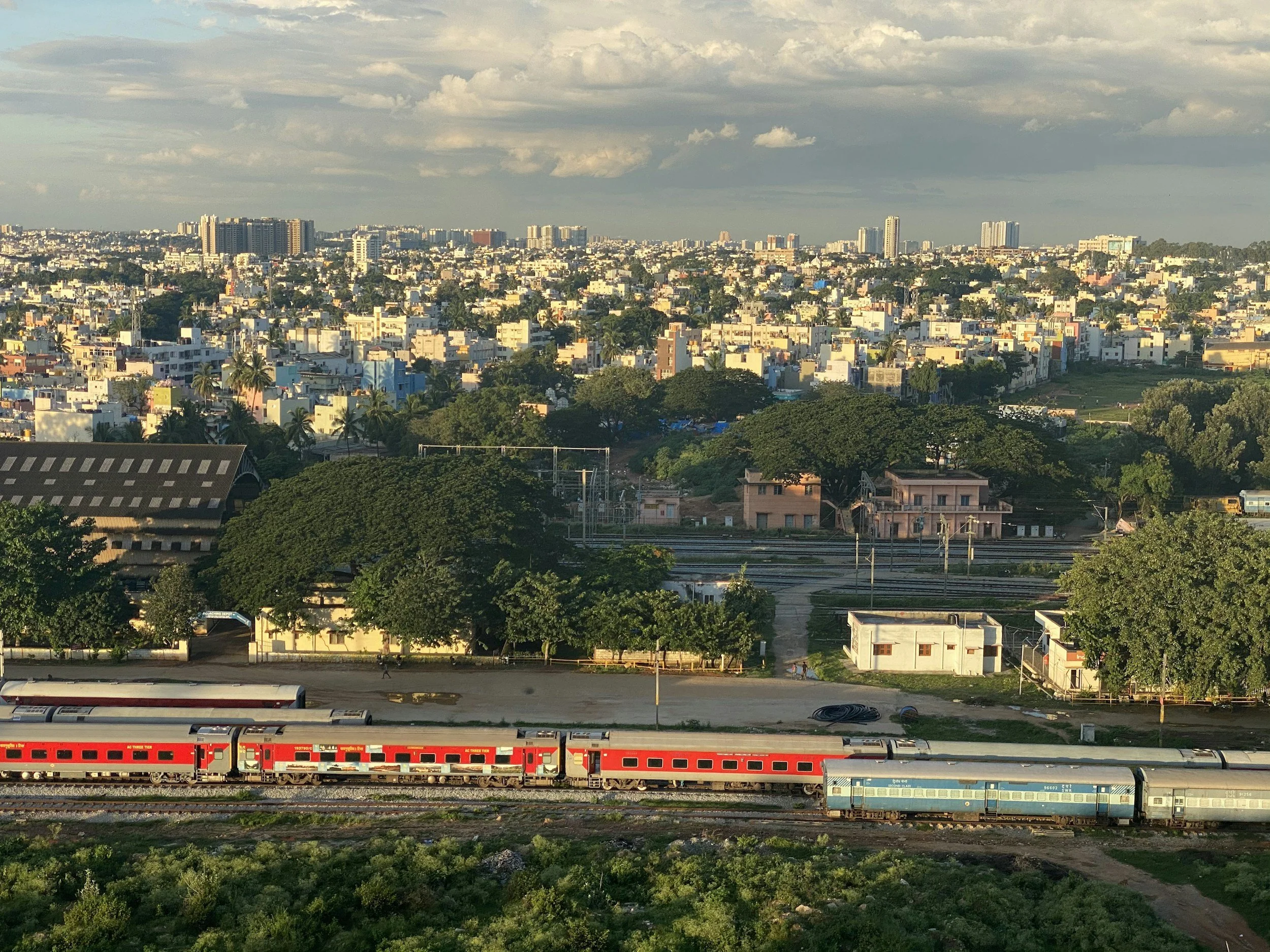
A radical solution to make Bengaluru a climate resilient city.
Fighting Bengaluru’s Floods
What did we do?
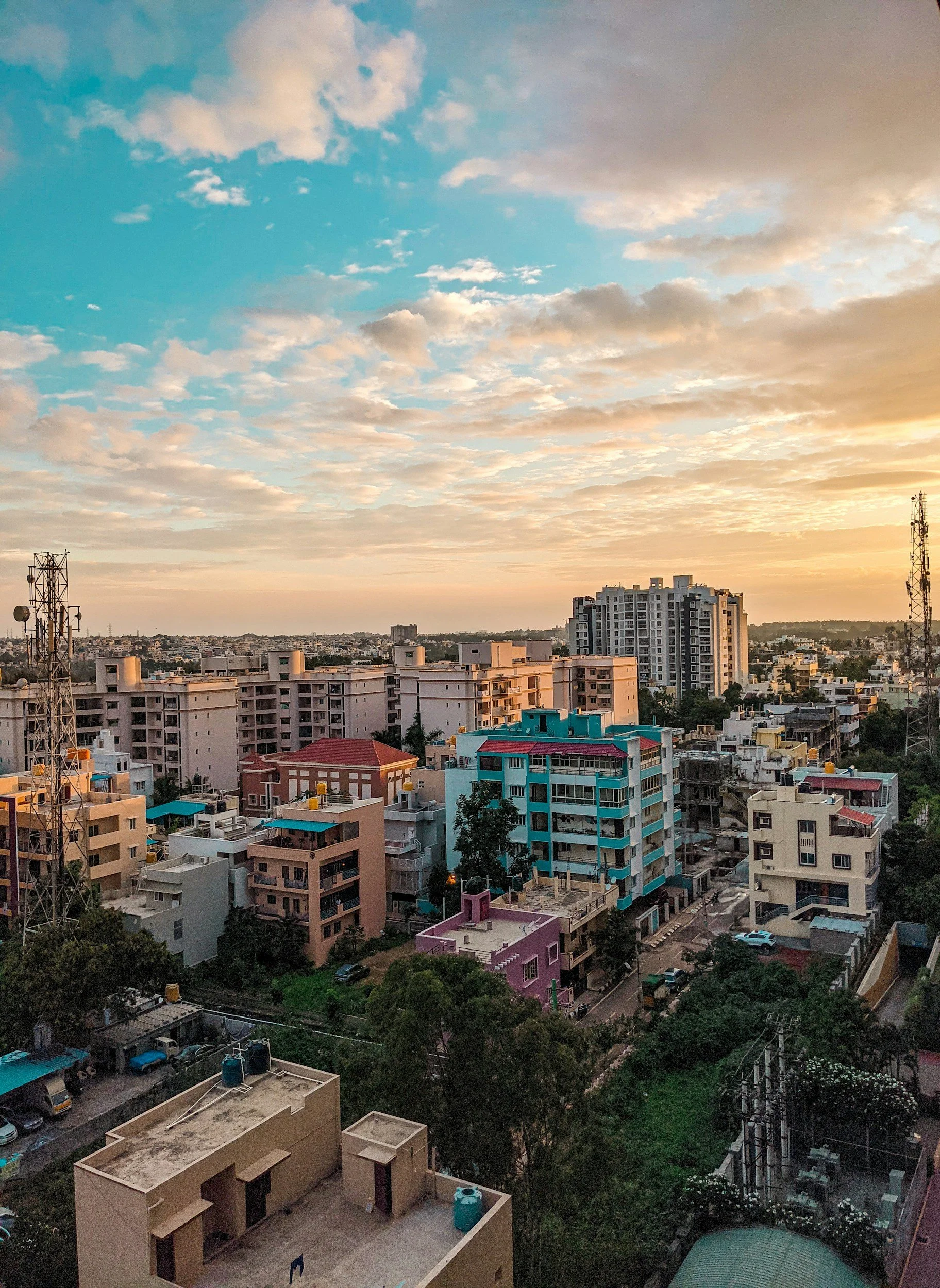
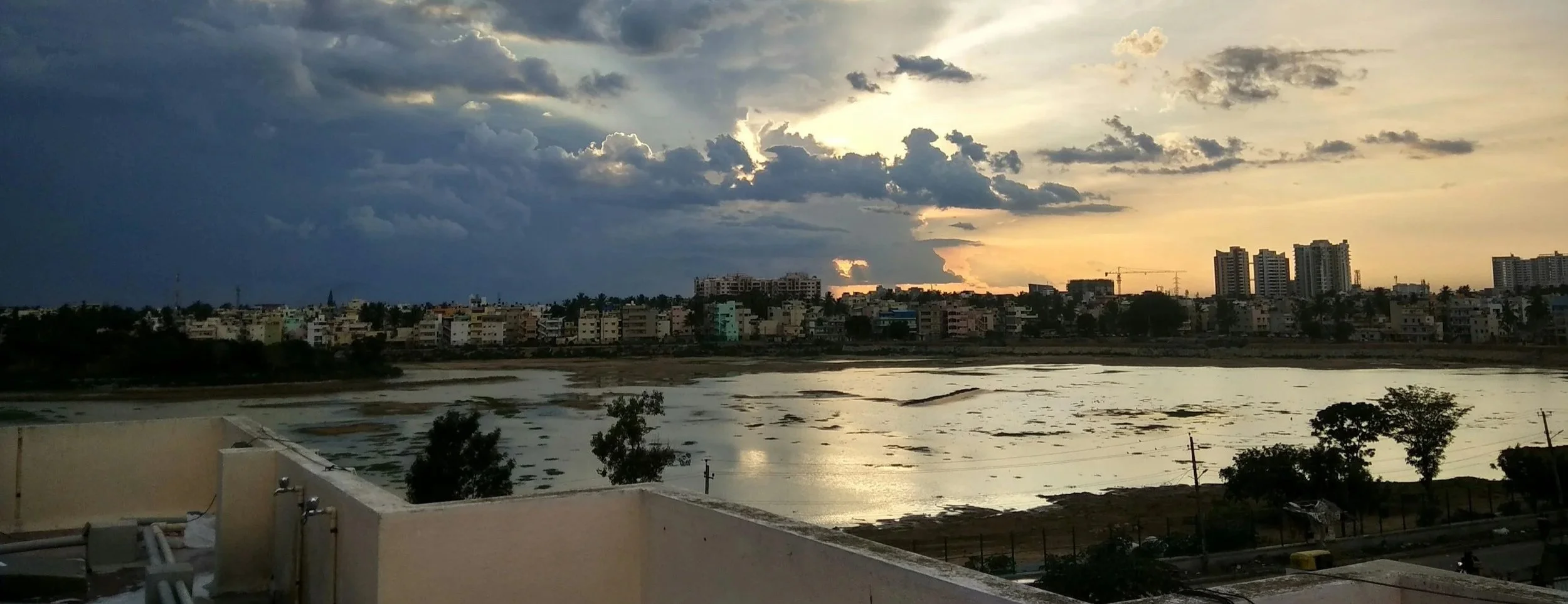
Bangalore has the world's highest projected growth rate until 2035. Since the ‘90s the city has become the IT capital of the world, and its titles of ‘the Garden City’ and ‘the City of Lakes’ have started to fade away. The city is now known more for its terrible traffic and frequent flooding. This project aims to propose a solution to fix the latter, through specific interventions across the city.
-
10 weeks [09/2023]
-
Affinity Mapping, Mission Maps, and more…
-
F. Waas, I. Danckaert, L. Cromsigt, N. Kassenaar
-
Users & Society
Objectives
Propose a solution to make Bengaluru a climate-resilient, less flood-prone city
Identify and leverage specific pain points
Establish requirements and a timeline for such a project
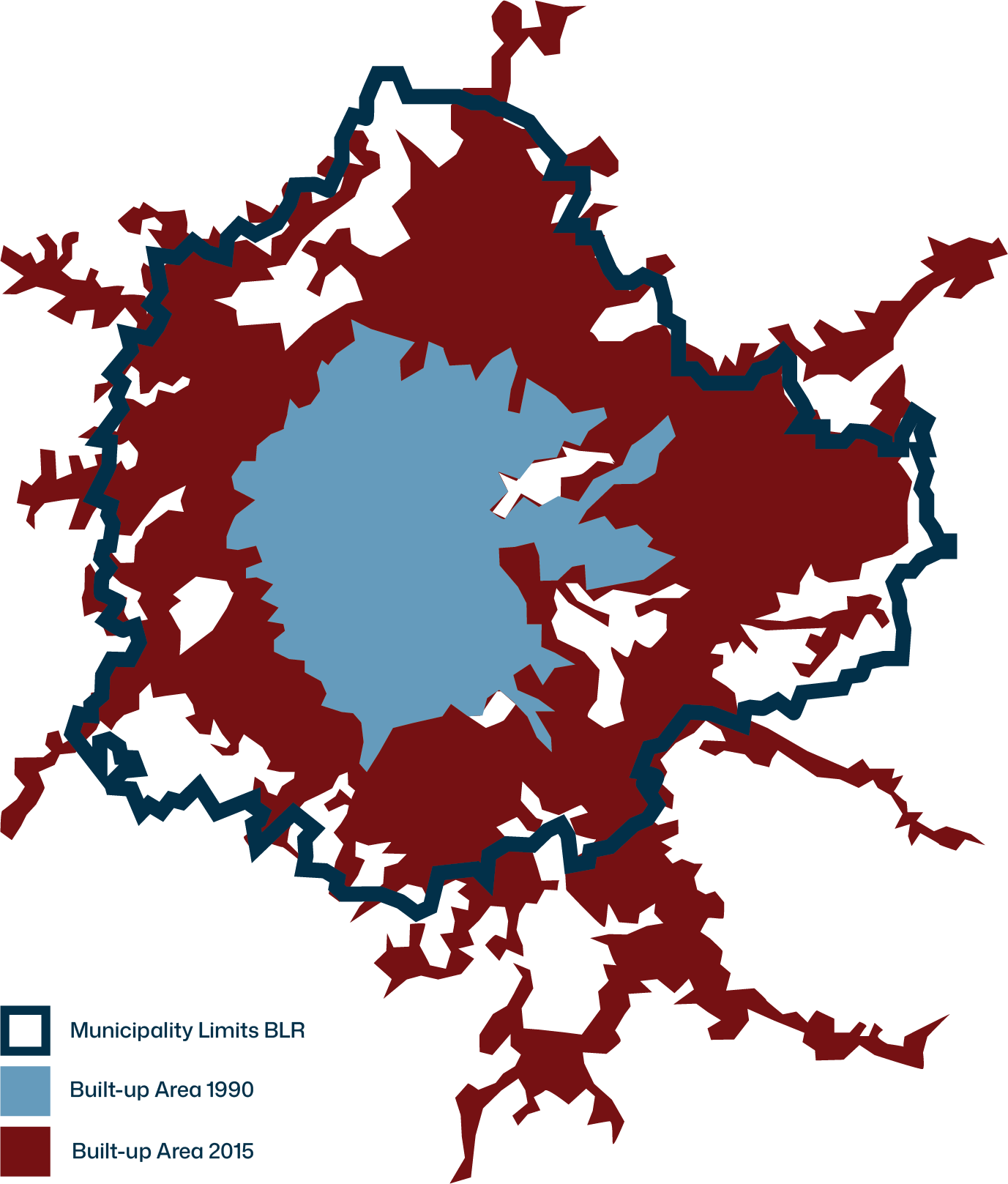
CURRENT SITUATION
-
CURRENT SITUATION -
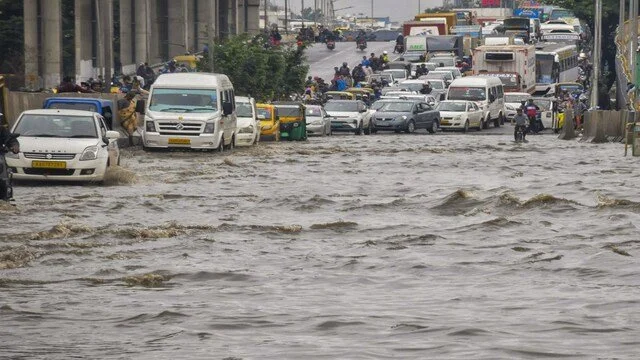
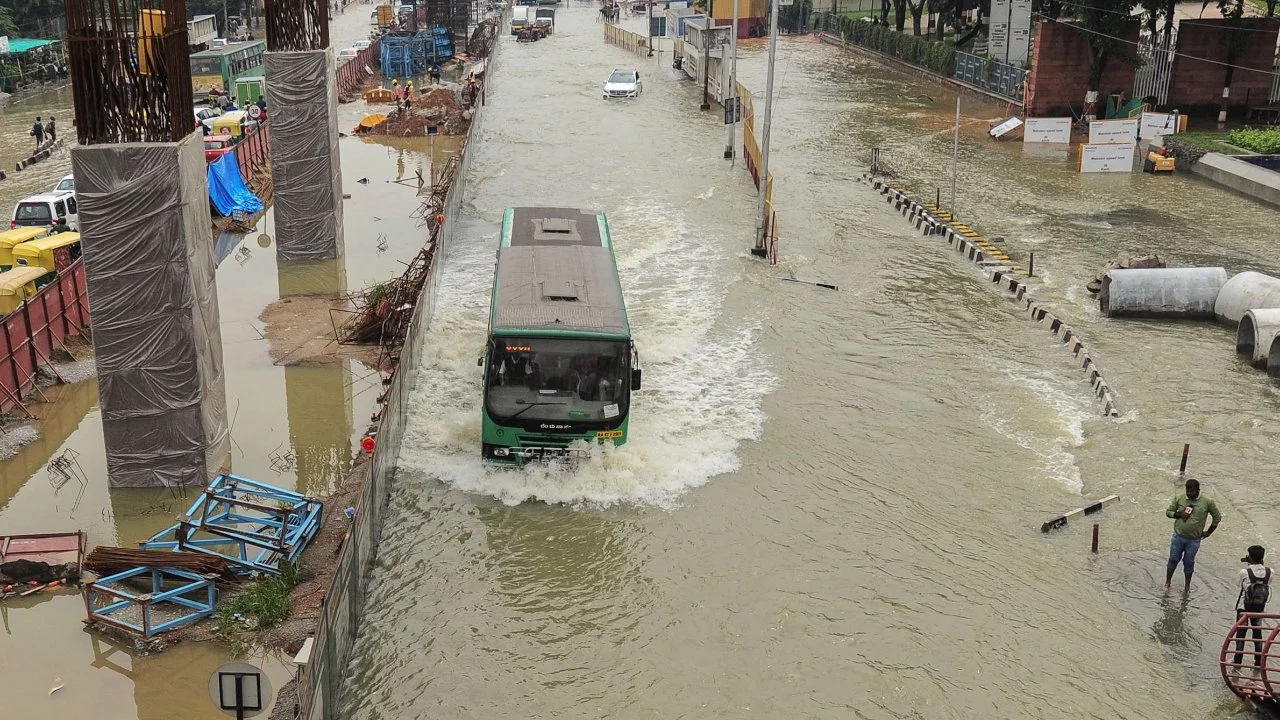
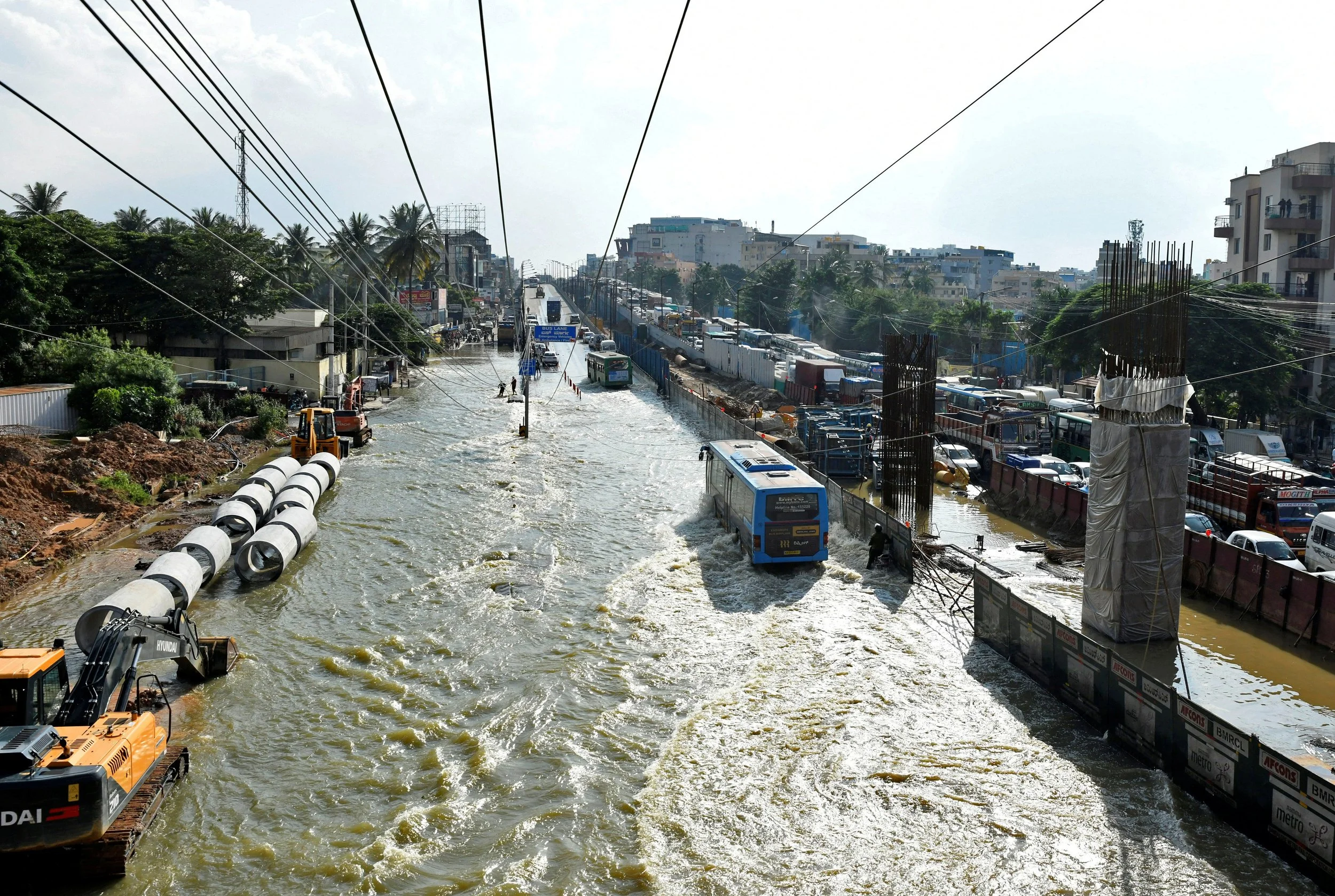
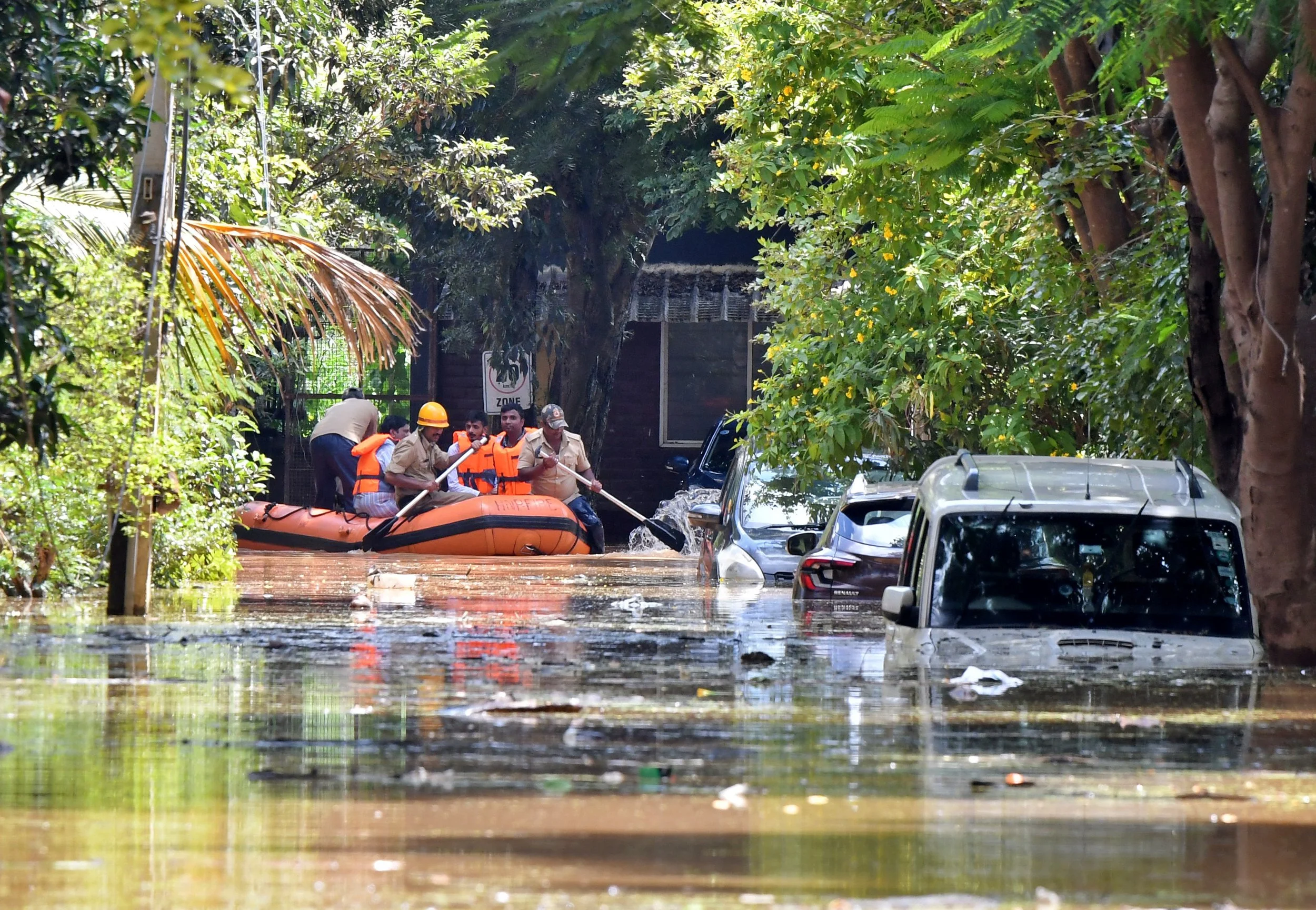
Source (right to left): Reuters, CNBC TV18, Deccan Herald
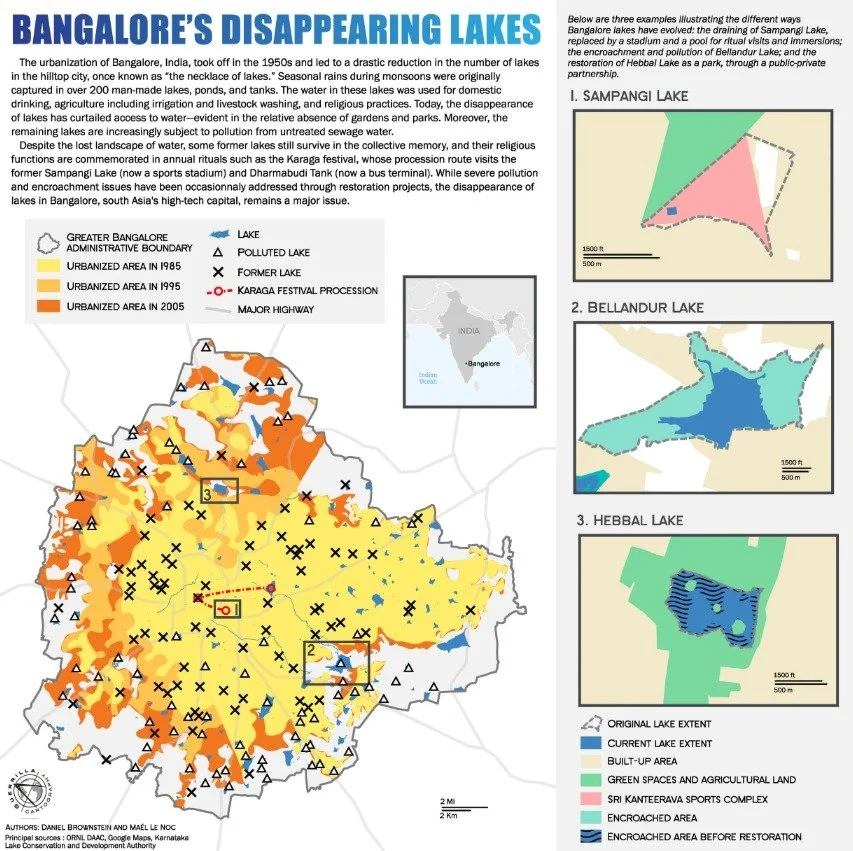
This map by Daniel Brownstein tells the story of Bengaluru’s disappearing lakes. The common theme among encroachments onto lake beds is- they’re almost all IT hubs and business parks. This makes it evident that Bengaluru’s beloved IT industry is a double-edged sword.
The concept.
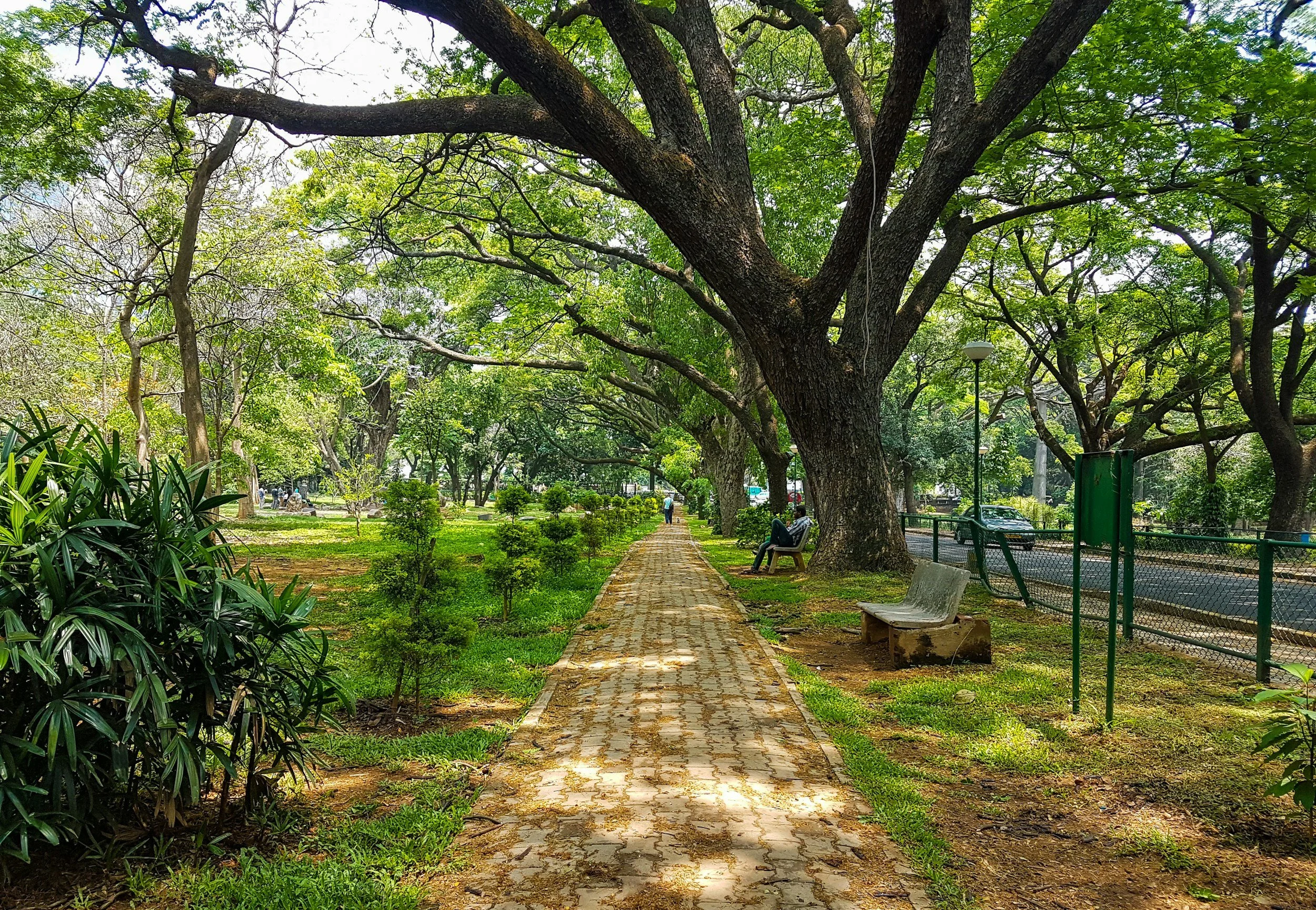
The project takes Copenhagen’s Hans Tavsens Park as a reference, integrating green and grey infrastructure in the city. It uses the concept of floodable greenery as a first line of defense against the flooding lakes of the city.
(ASCE, 2023)
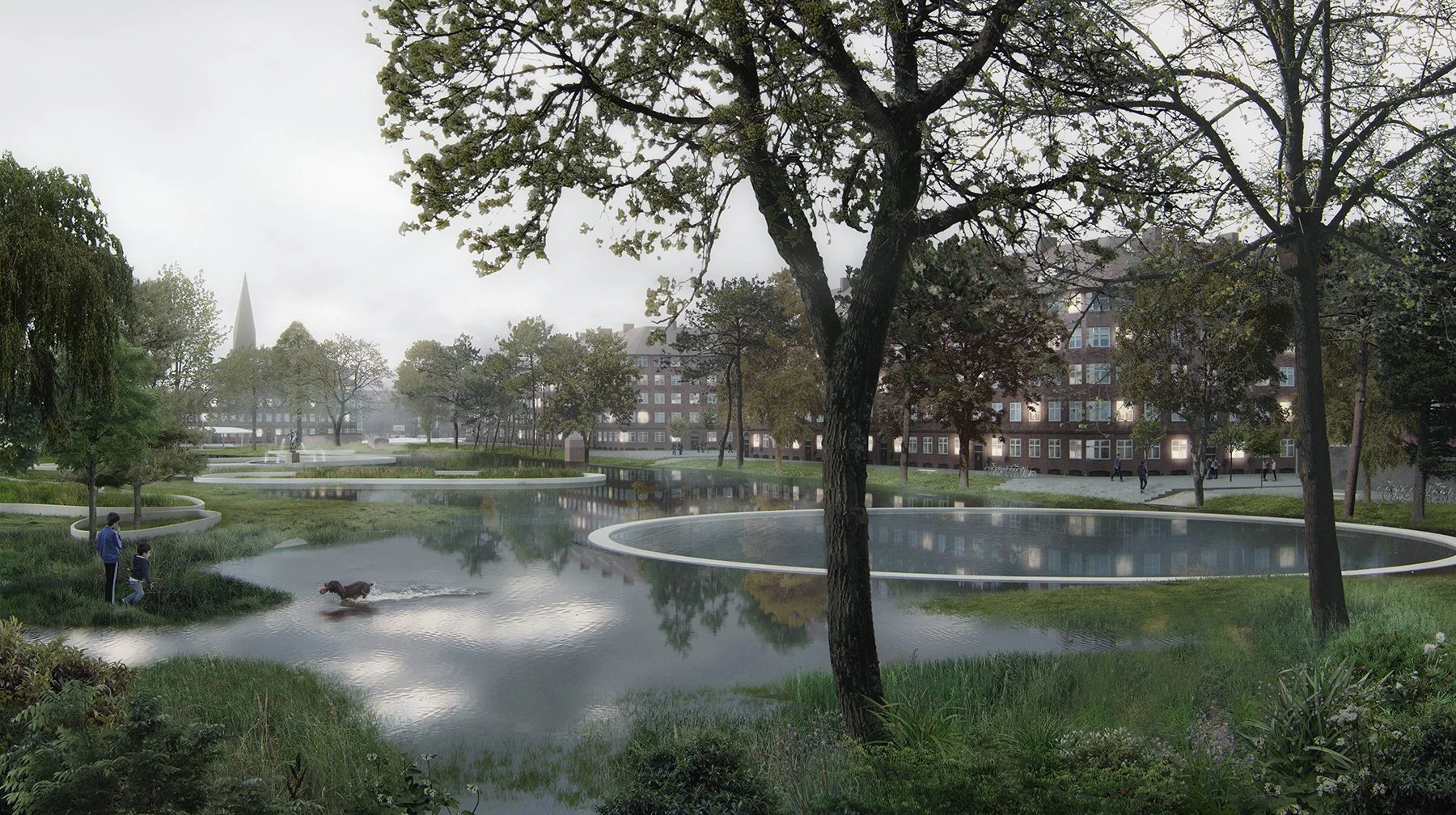
Final Design Outcomes
Expertise Areas
The aim of this project is to provide a solution that will improve the quality of life for the people of one of India’s largest cities, creating value to positively impact their everyday lives. Creating this solution meant keeping the people of Bengaluru as the main stakeholders throughout the process, while ensuring to switch between the perspectives of government, businesses and other relevant players.