

InMotion
Business model design for TU/e’s student team
A sustainable business model for TU/e’s sustainability-forward student motorsport team.
-
02/2024 (10 weeks)
-
Osterwalder Canvas, Ecosystem Pie Canvas, and more…
-
M. Segura, T. Pascalau, J. Duica, F. Bouwmeister
-
Business & Entrepreneurship, Technology & Realisation
Context & Challenge
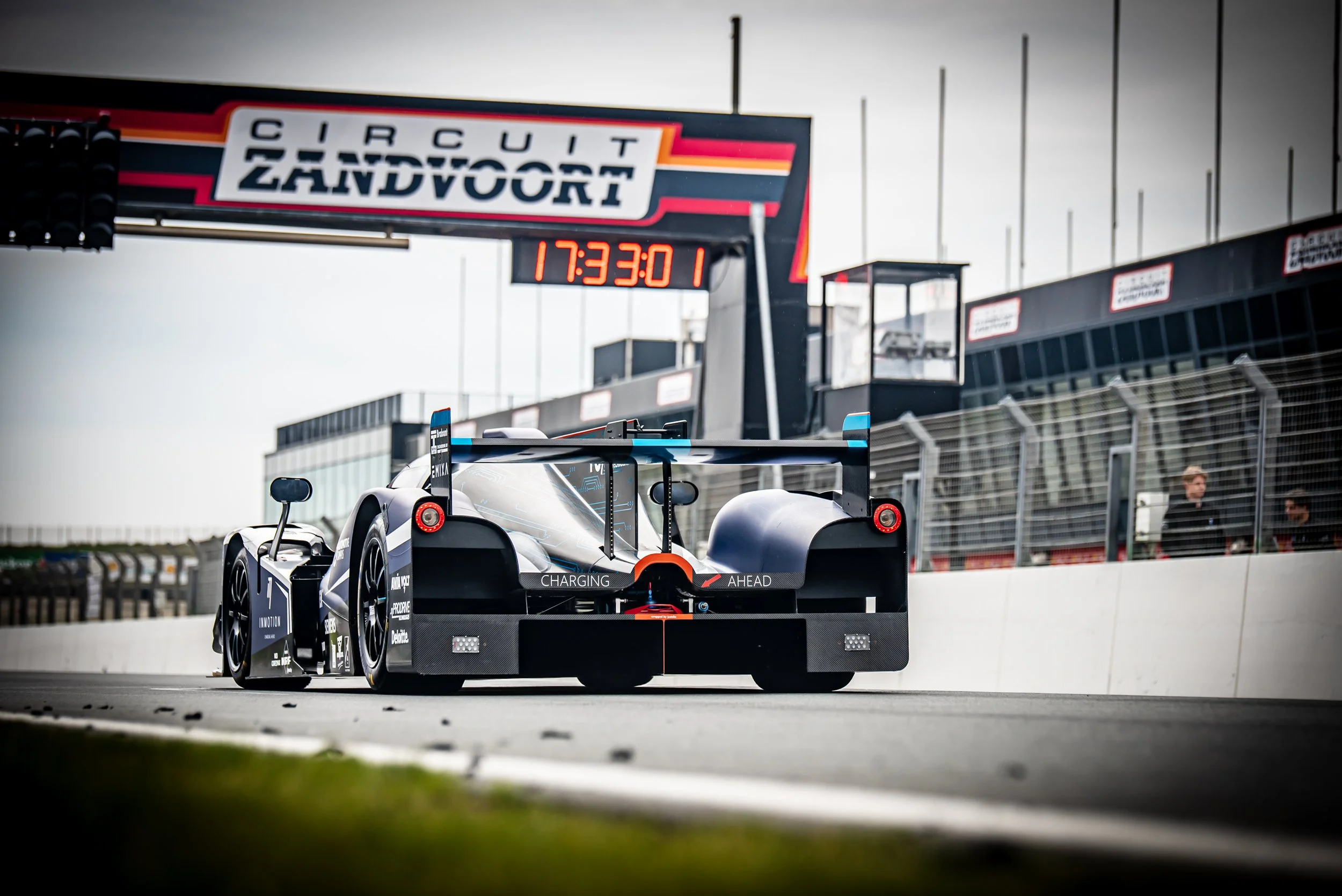
The student team InMotion currently operates as a non-profit organisation and is funded by various sponsors including the Eindhoven University of Technology. The challenge posed to us was to leverage InMotion’s novel ‘Electric Refueling’ technology to create a sustainable business model. This added income and resources would allow the team to accelerate their timeline on their journey to compete at the 24h of Le Mans.
Accelerate InMotion’s journey to 24h of Le Mans
Design a sustainable business model for InMotion
Feature the team’s ultra-fast-charging EV technology
Utilise various business innovation tools & frameworks
Objectives
RESEARCH INSIGHTS
-
RESEARCH INSIGHTS -
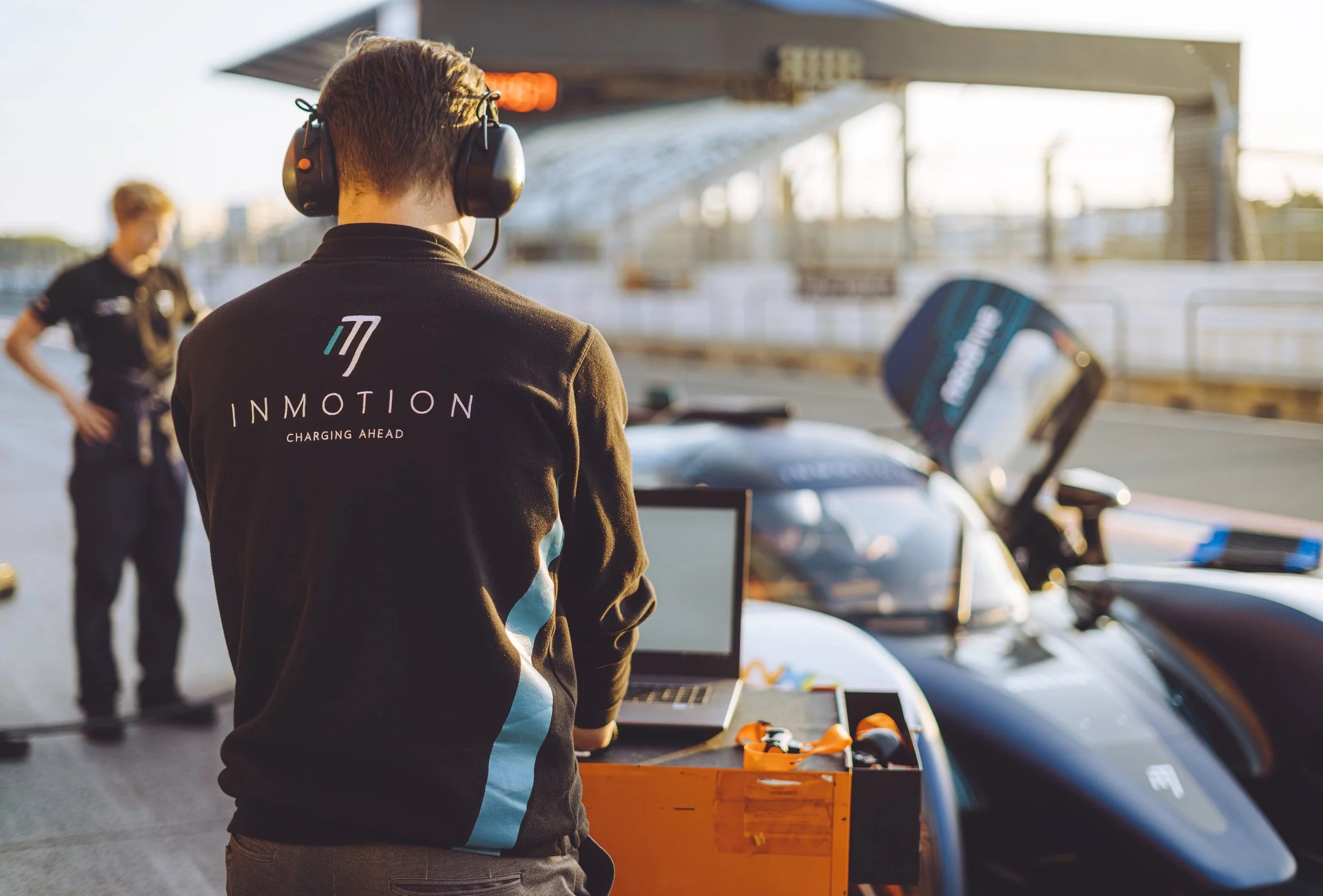
InMotion’s sustainability focused innovation aligns with current societal values, and the team’s participation in motorsport symbolises a dynamic, high-performance team - attractive to various stakeholders.
High Performance.
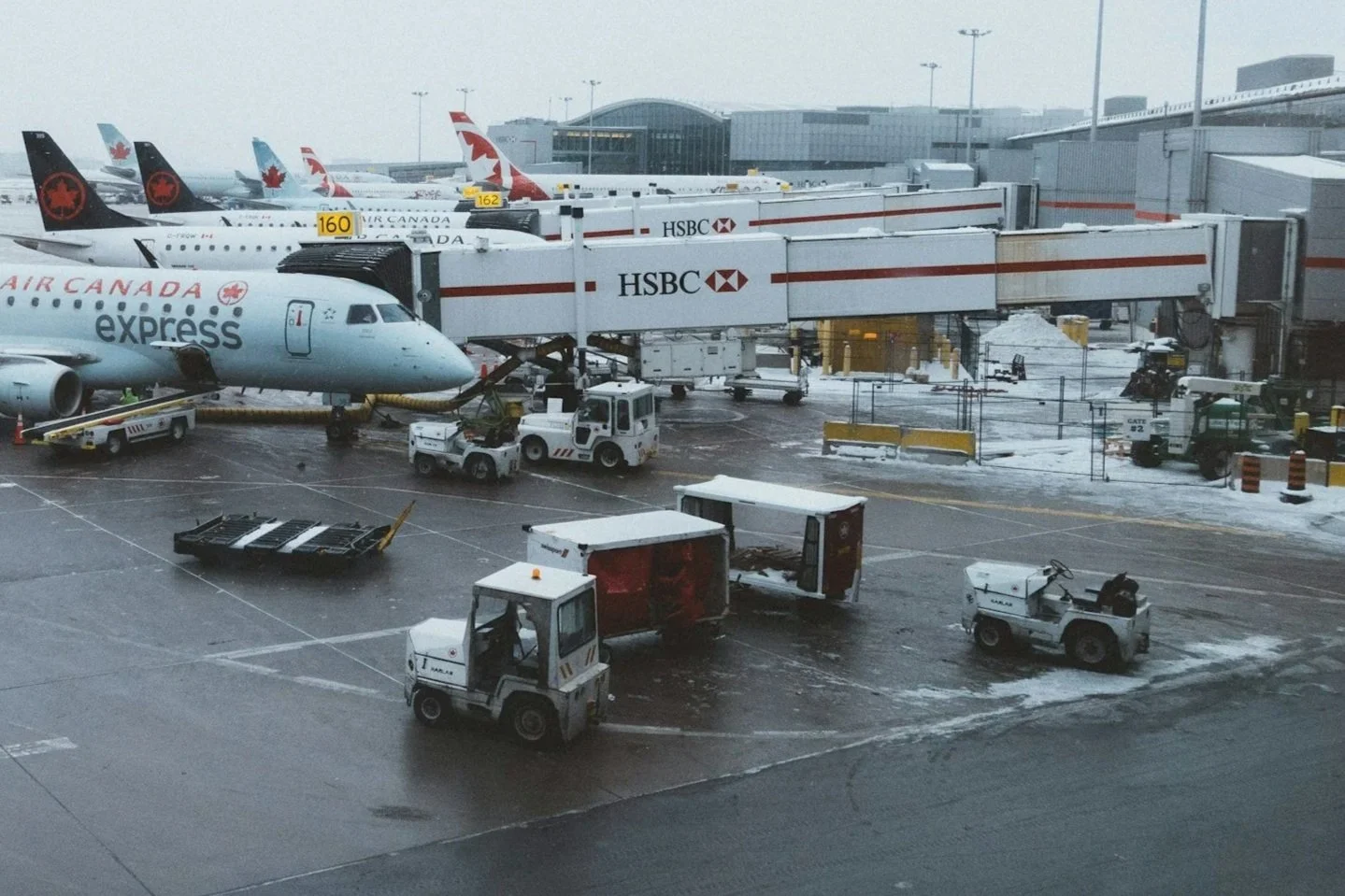
The airport ground equipment sector is facing a societal and regulatory push towards electrification, and a need for minimal downtime - this aligns with the USP of InMotion’s battery pack technology.
Minimal Downtime.
Competitor Analysis.


-
TLD is a well-established global manufacturer of ground support equipment (GSE) and has a diverse catalogue of products on offer. Their global presence and technical prowess are key benchmarks that our proposed business can aim for. As TLD is one of the biggest companies in manufacturing ground support equipment, there are points to learn and integrate into InMotion. First, a part that could be easily transferable is the idea of working in close relationship with the customers, namely the customer airports, in order to design batteries or even the whole machinery. The products then would work efficiently in their environment, resulting in cutting costs and time and creating a better workflow and passengers flow through the airports.
-
Charlatte are another major global player in the GSE sector, with a wide range of products that include both diesel and electric powered equipment. Their specialisation in electric GSE along with their proven reliability are two major reasons we chose to look into their business model. While Charllate is a smaller company compared to TLD and has a smaller market cap, the company is more focused on research and development compared to TLD. For this reason, a main takeaway that would be implemented in the future at InMotion is how to balance the research and development part with manufacturing the product, licensing it or providing services. It is a trajectory that would make InMotion a profitable company.
-
Like the proposed InMotion spin-off, Lightyear is also a spin-off company from a student team at the Eindhoven University of Technology. A key difference between the model proposed for the InMotion spinoff and Lightyear is that the spinoff company will not attempt to sell directly to consumers. Lightyear initially started out aiming to sell as a B2C model, which can be attributed to part of the reason for their struggles with bankruptcy.
-
The Bavarian auto giant is an excellent example of a business that, in recent times, has shifted from a product-only business model to a service-oriented model. BMW’s service-oriented model has a clearly defined cost structure that mainly includes service design, knowledge, IP management and technology acquisition costs. Since the proposed business model involves the design of battery packs for applications initially in the airport equipment sector, the spinoff will need to devote time and resources to the design and development of these battery packs.
Presenting
-
InMotion GSE
|
Presenting - InMotion GSE |
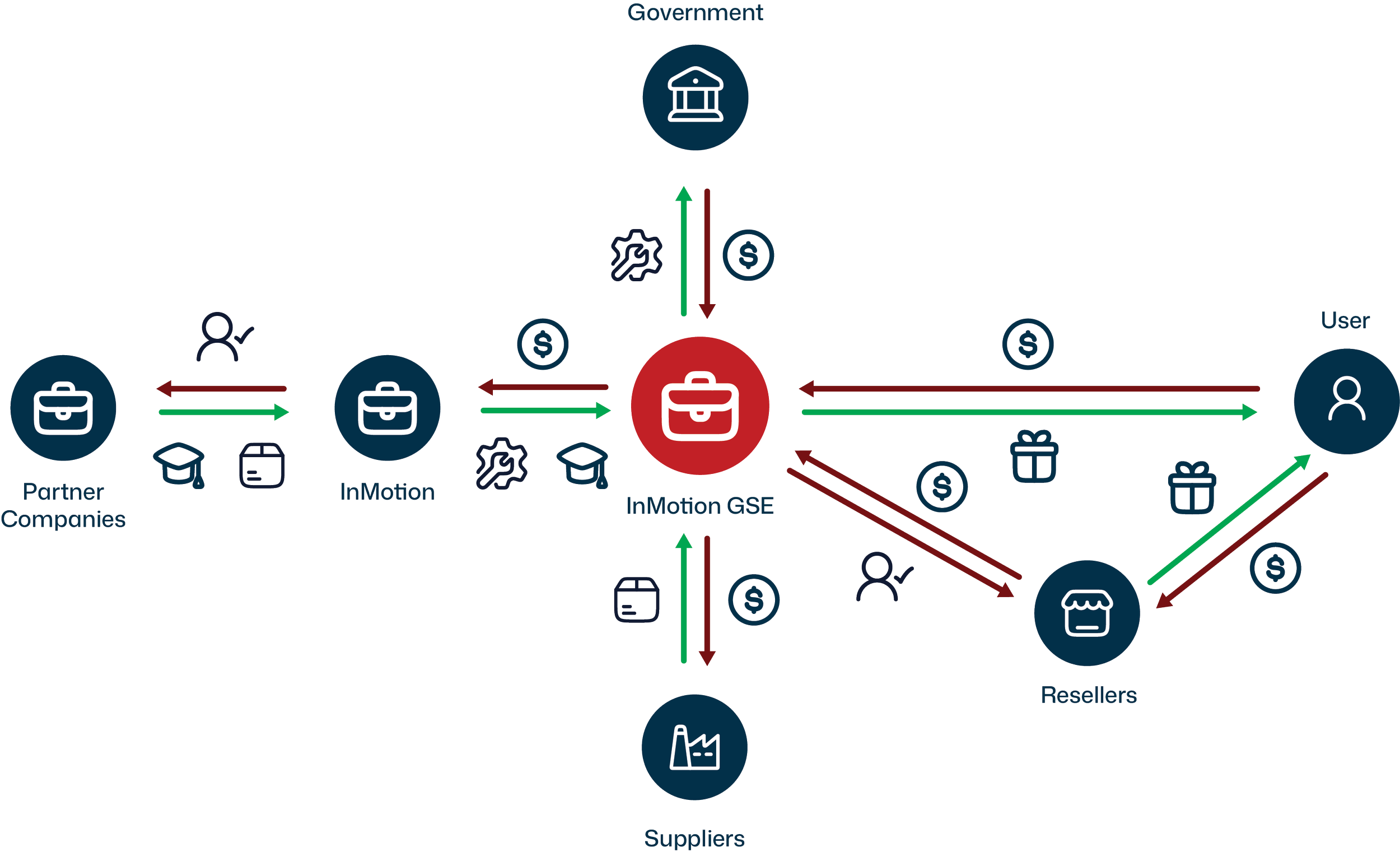
As the InMotion GSE enters the market for ground support equipment, it will create more competition by being a full-on manufacturer as it brings new technologies aimed at more time and cost efficiency.
The primary resource of InMotion GSE will be the intellectual property related to the battery pack technology which we believe will be a major innovation in the field of ground support equipment.
Expertise Areas
Communicating with engineers from different disciplines was a major part of this project. Understanding how the hardware and software of InMotion’s tech-centric value proposition come together was crucial in the design of the business models. This allowed us to make informed judgements regarding both the technical and economic feasibility of the business models we proposed.
Business and entrepreneurship is at the very core of this project. We were challenged to create a meaningful product-service system creating value for InMotion and for the economy. We also navigated through the considerations of intellectual property, thus creating a sustainable business network.